
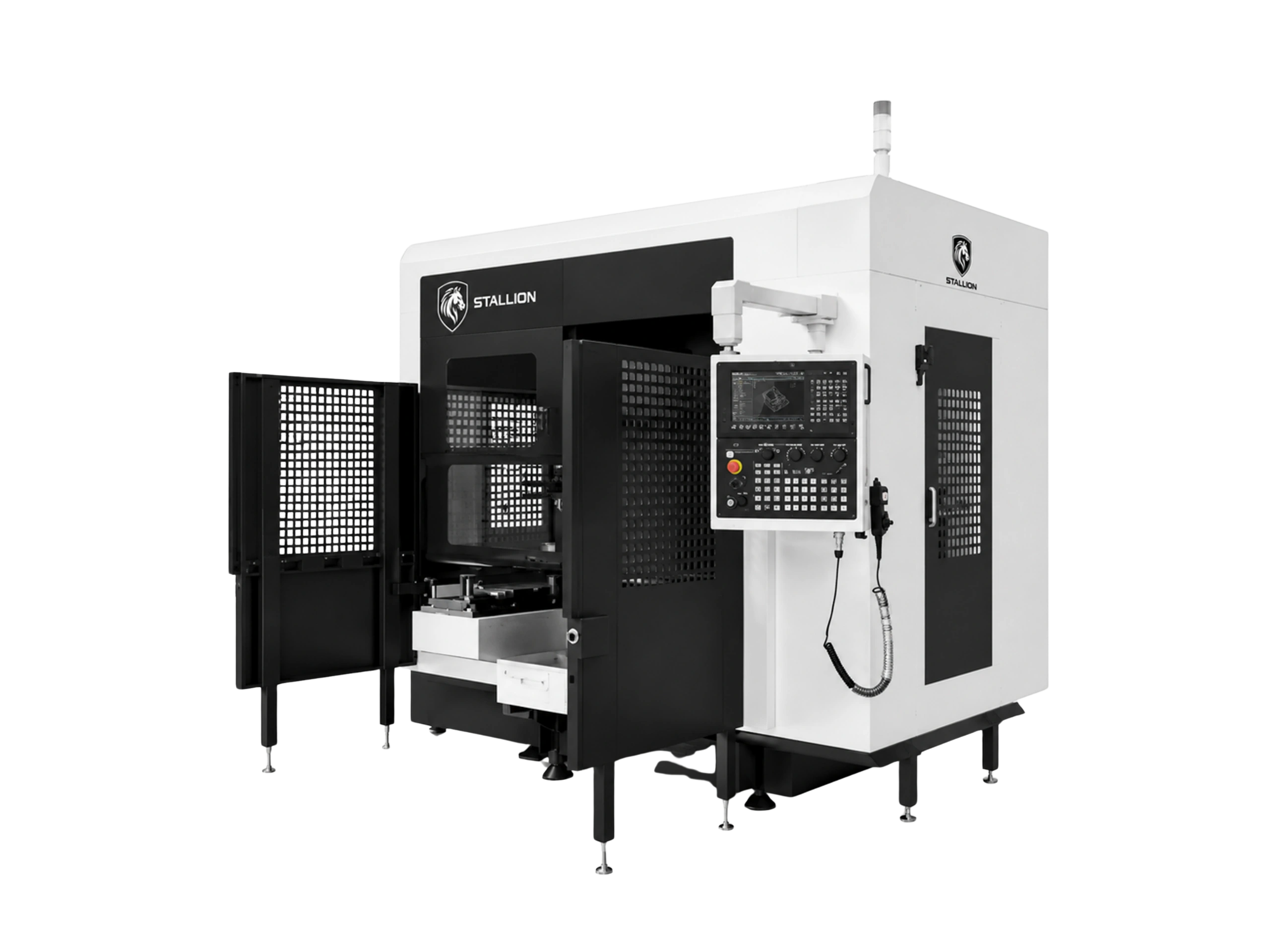
At A Glance
Operations Performed
Full Specifications
Hydraulic Trim Press (Oil-Pressure Edge Cutting)
| Specification | FRZQB-20T | FRZQB-40T | FRZQB-60T | FRZQB-80T | FRZQB-100T |
|---|---|---|---|---|---|
| Mould closing force (T) | 20 | 40 | 60 | 80 | 100 |
| Mould opening force (T) | 6 | 8.1 | 8.4 | 10 | 12.5 |
| Mould column spacing (mm) | 940×840 | 1110×910 | 1230×1020 | 1325×1075 | 1430×1130 |
| Mould opening stroke (mm) | 700 | 800 | 1000 | 1000 | 1100 |
| Max die opening (mm) | 1000 | 1100 | 1200 | 1500 | 1400 |
| Die closing speed (mm/s) | 200 | 200 | 200 | 200 | 200 |
| Workbench height from ground (mm) | 1235 | 1255 | 1405 | 1415 | 1425 |
| Oil pump motor (kW / HP) | 7.5 / 11 | 7.5 / 11 | 11 / 15 | 15 / 20 | 15 / 20 |
Hydraulic Trim Press (Oil-Pressure Edge Cutting)
| Specification | FCMA-700-S |
|---|---|
| Work diameter (mm) | Ø290 |
| Configurable tools | 4 tools, 6 inserts |
| X-axis travel (mm) | 700 |
| Y-axis travel (mm) | 600 |
| Z-axis travel (mm) | 350 |
| A-axis range | ±120° |
| B-axis range | ±190° |
| C-axis range | ±360° |
| XYZ axis repeatability (mm) | 0.02 |
| ABC axis repeatability | 0.03 mm (R300 reference) |
| XYZ max speed (mm/min) | 50,000 |
| Spindle max power (kW) | 4.5–7.5 |
| Spindle speed (rpm) | 100–24,000 |
| Tool collet sizes | ER16 (Ø1–10) / ER25 (Ø1–16) |
| Machine weight (T) | 3.6 |
Hydraulic Trim Press (Oil-Pressure Edge Cutting)
| Specification | FRZ-JC1260-SG | Four-Axis Saw | Six-Axis Robot Saw |
|---|---|---|---|
| Saw axis configuration | 6-axis robot + dual rotary fixture | 3 linear + 1 rotary | 6-axis ABB integration |
| Cutting head type | Electric high-torque spindle | Electric high-torque spindle | Electric high-torque spindle |
| Residual gate after sawing (mm) | ≤1 mm | ≤1 mm | ≤1 mm |
| Application | Aluminium / iron castings | Aluminium castings | Multi-alloy / large part |
| Enclosure | Sealed cabin, dust extraction | Sealed cabin | Sealed cell with vent |
Standard Features Optional Equipment
Standard Features
- Welded steel cell enclosure with dust/chip extraction
- PLC controller (Japan OMRON) with HMI touch-screen
- Japan-grade servo motor + Germany-grade reducer (saw axes)
- Roll-formed steel-belt protection on linear guides
- Pneumatic clamping fixtures, external pneumatic interface
- Self-diagnostics with fault-code display
- Centralised lubrication, automatic at start-up
- Three-colour signal tower + safety light curtain
- 1000-program storage for instant part changeover
Optional Equipment
- Six-axis ABB robot (IRB1410 / IRB2400 / IRB4400 / IRB6620)
- Dual-station rotating fixture (improves throughput by ~40%)
- Magnesium-alloy variant with 304 stainless cell + dust-concentration alarm + waterproof adhesive
- Magnesium-alloy variant with 304 stainless cell + dust-concentration alarm + waterproof adhesive
- Three-station dual-robot polishing add-on
- Profile projector / Easson EP-1 in-line inspection
- Stainless steel inter-cell conveyor
- Optional deburring milling cutters / rotary files / abrasive heads
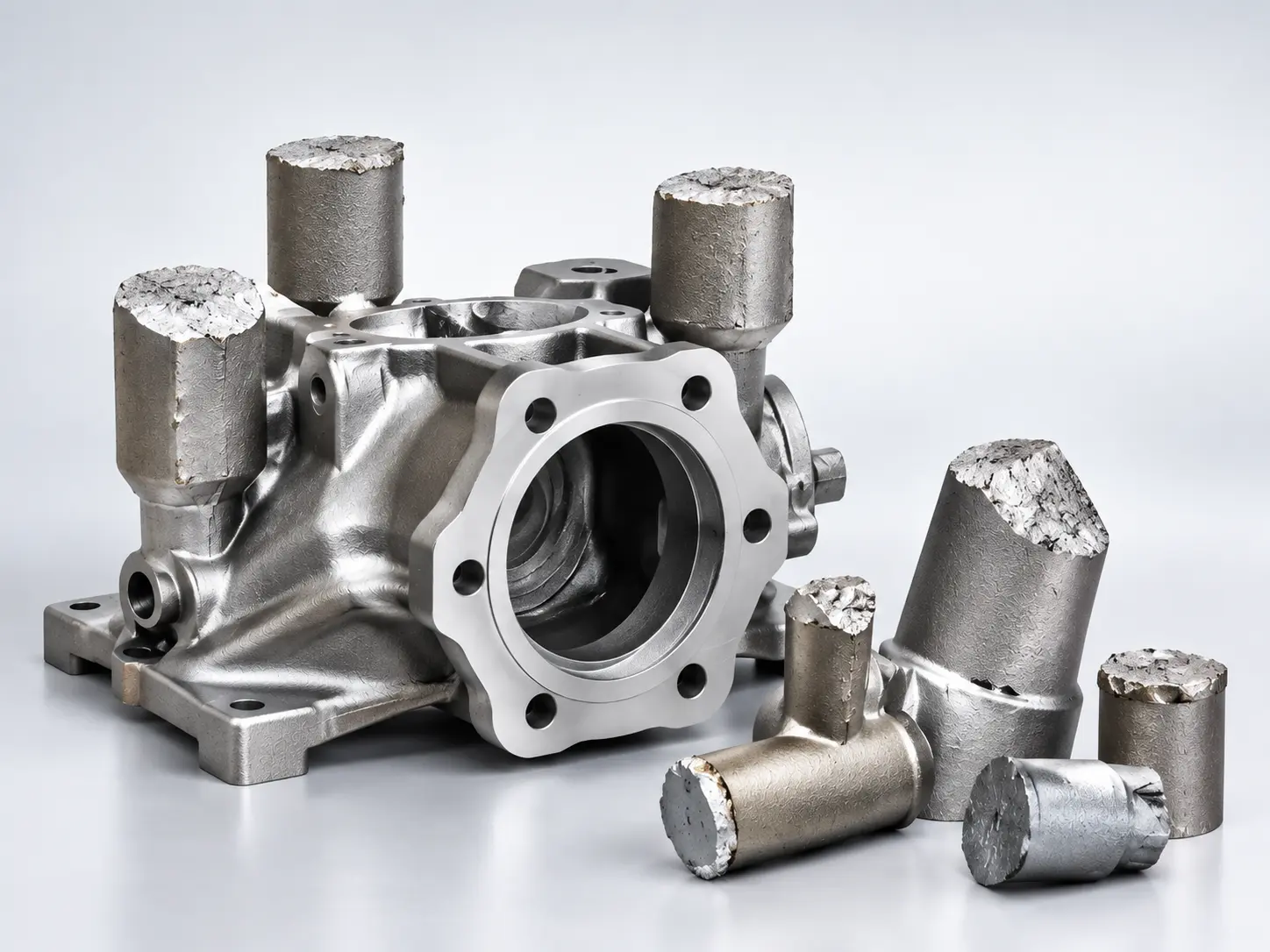
Typical Workpieces
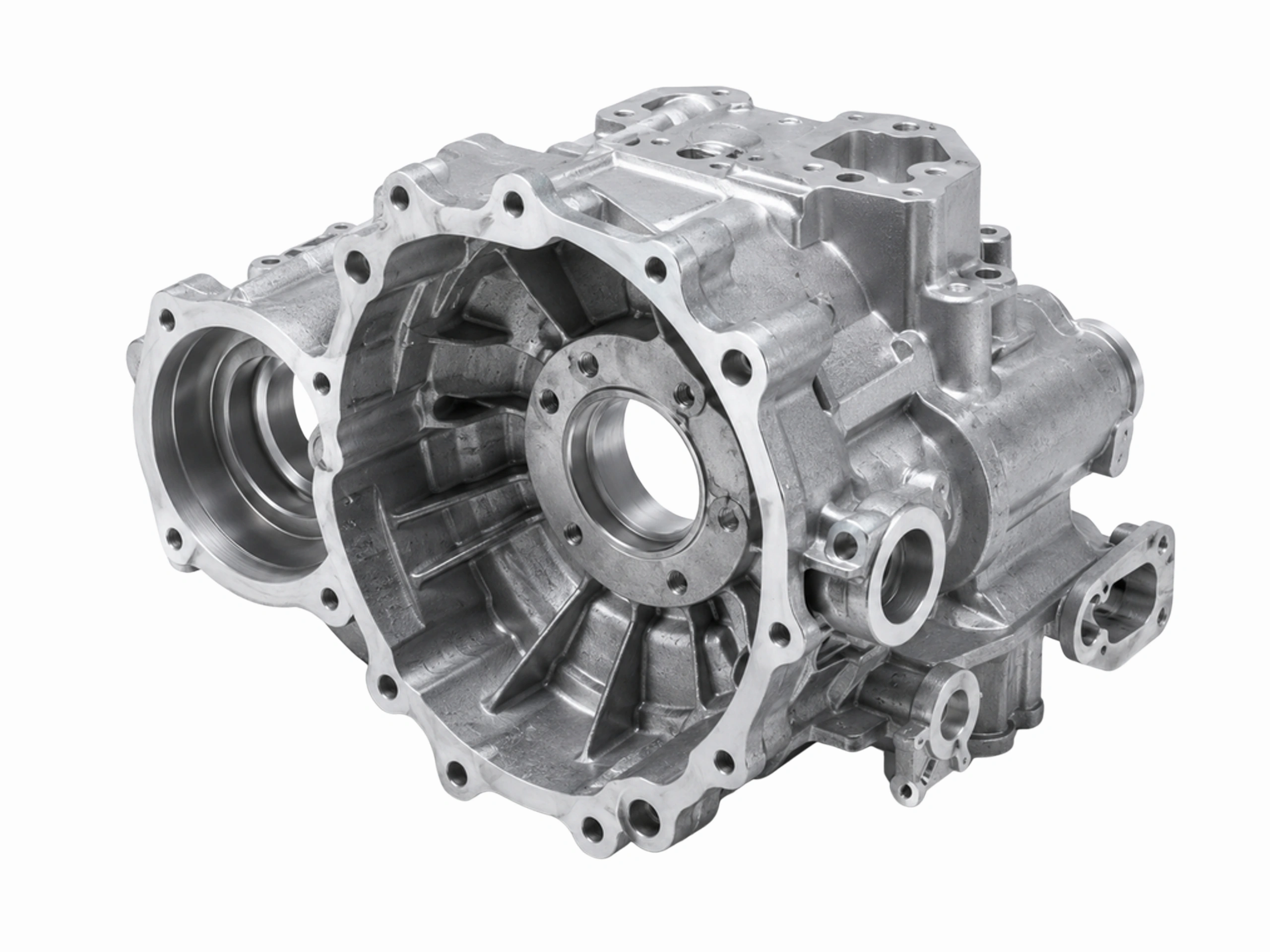
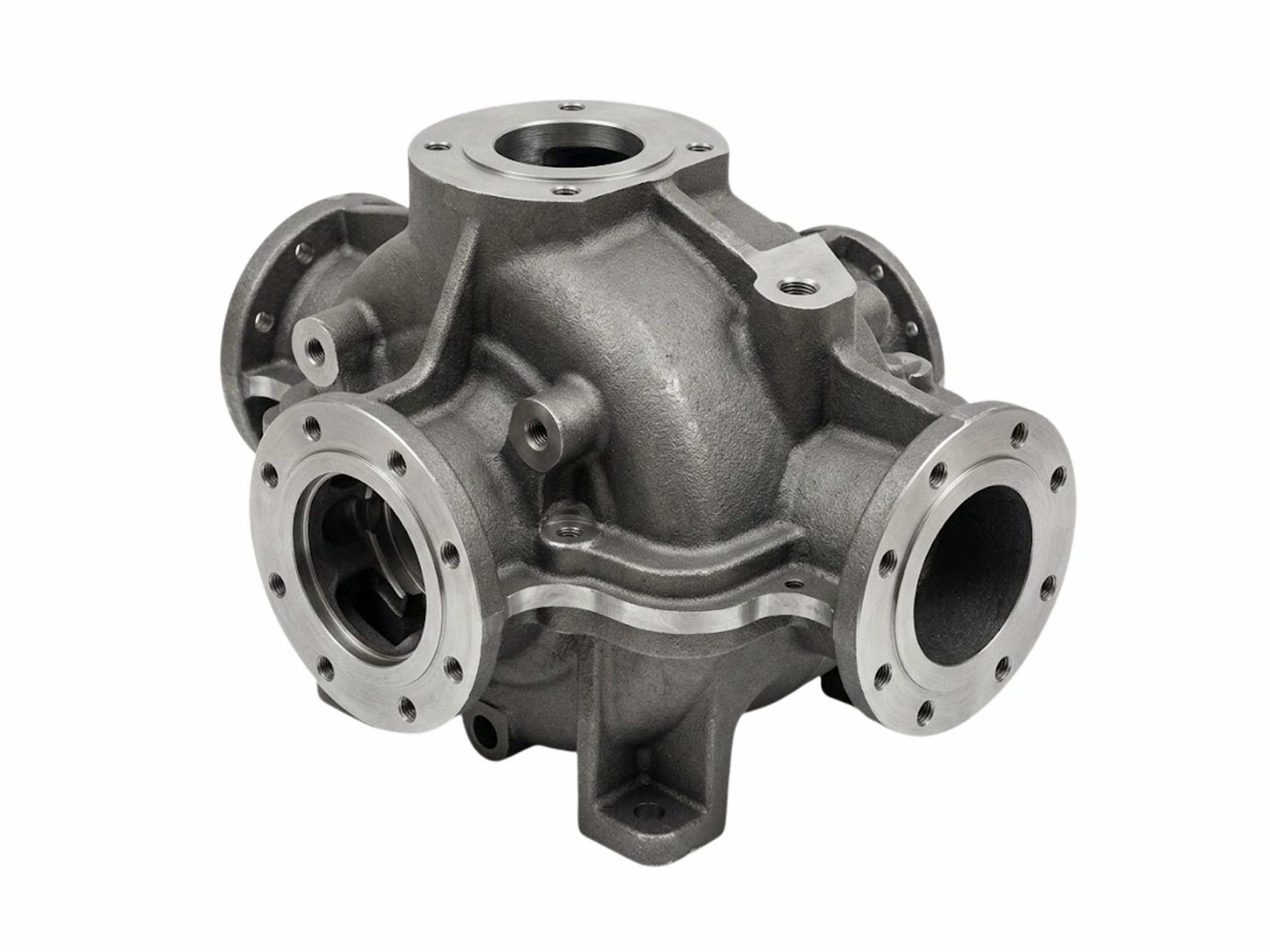
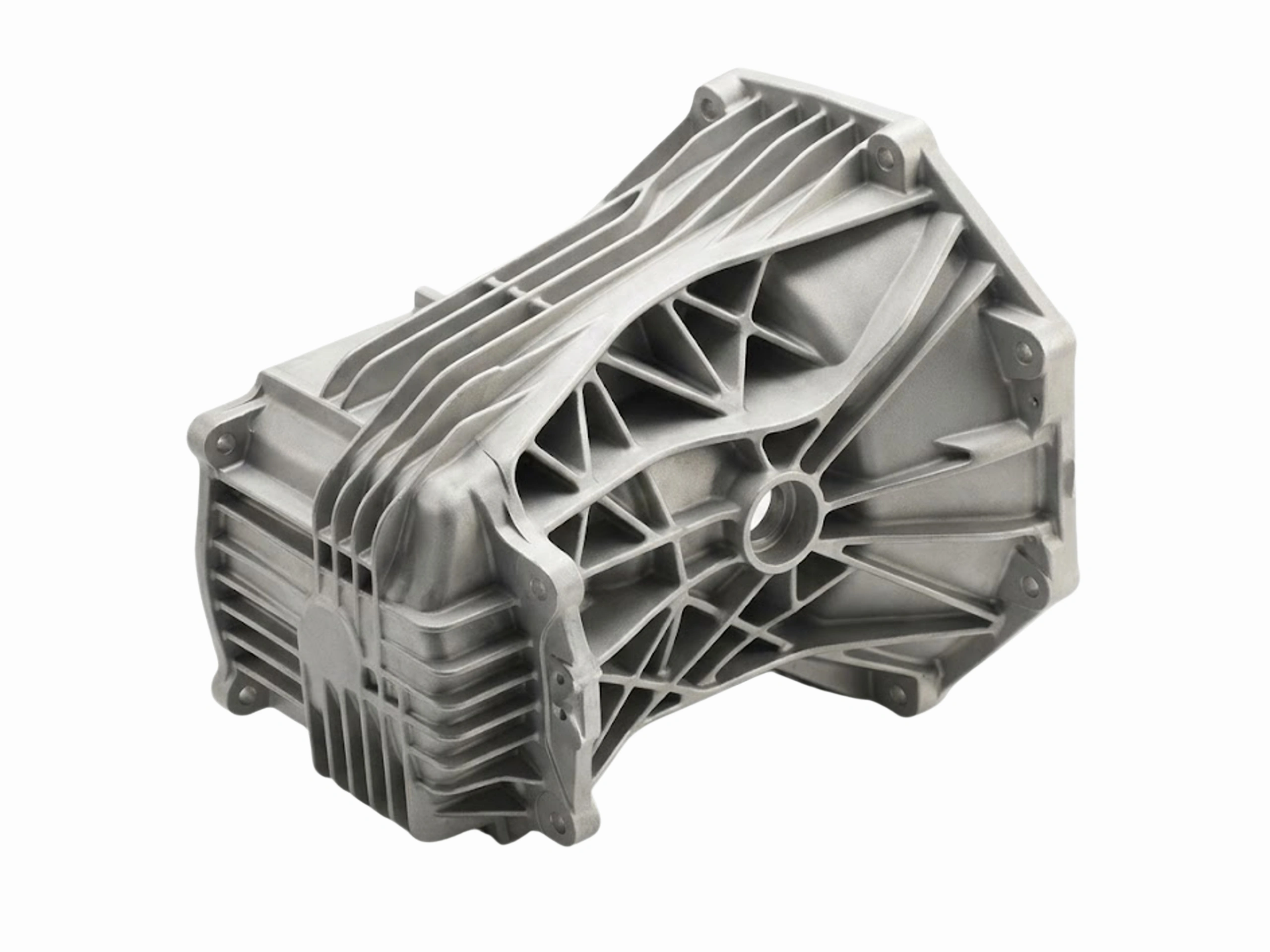
Frequently Asked Questions
What is a CNC fettling machine and how is it different from manual fettling?
CNC fettling automates the post-casting finishing operations — deburring, trim-press deflashing, sawing of gates and risers, and surface cleanup — under multi-axis CNC control. Compared to manual fettling with hand grinders, a CNC fettling cell delivers consistent finish quality, removes operators from a high-dust / high-vibration environment, and handles 24-hour production volumes. Tool changeover between part families takes seconds via stored programs.
Can a single cell handle different part families?
Yes. The 6-axis CNC deburring station stores up to 1000 programs and supports rapid tool changes from a multi-tool magazine. Part-specific fixtures are pneumatic and can be swapped in under a minute. The dual-station rotating fixture option allows load / unload to happen on one station while machining runs on the other — improving throughput by approximately 40%.
Is there a dedicated configuration for magnesium-alloy parts?
Yes. The magnesium-alloy variant of the 6-axis CNC deburring machine uses a 304 stainless steel sealed enclosure with waterproof adhesive sealing, a built-in camera for real-time polishing-safety monitoring, dust-concentration alarms, and a professional explosion-proof chip-evacuation system to safely collect and store magnesium chips.
What is the trim-press tonnage range?
Hydraulic trim presses are available from 20T to 100T closing force, with workbench-from-ground heights from 1235 to 1425 mm and oil pump motors from 7.5 to 15 kW. The press handles edge cutting and deflashing for castings up to roughly 1500 mm in opening stroke.
Why is the Stallion CNC fettling cell superior to competitor offerings?
The cell integrates trim, deburr, saw and inspect into one programmable flow rather than as separate stations — and the critical motion train uses internationally proven components from Japan and Germany (OMRON PLC, Yaskawa / Panasonic servo, Rexroth guides, Rost reducers, NSK bearings). The sealed cabin design with explosion-proof dust handling allows it to run continuously in iron, aluminium and magnesium production without contaminating the workshop.