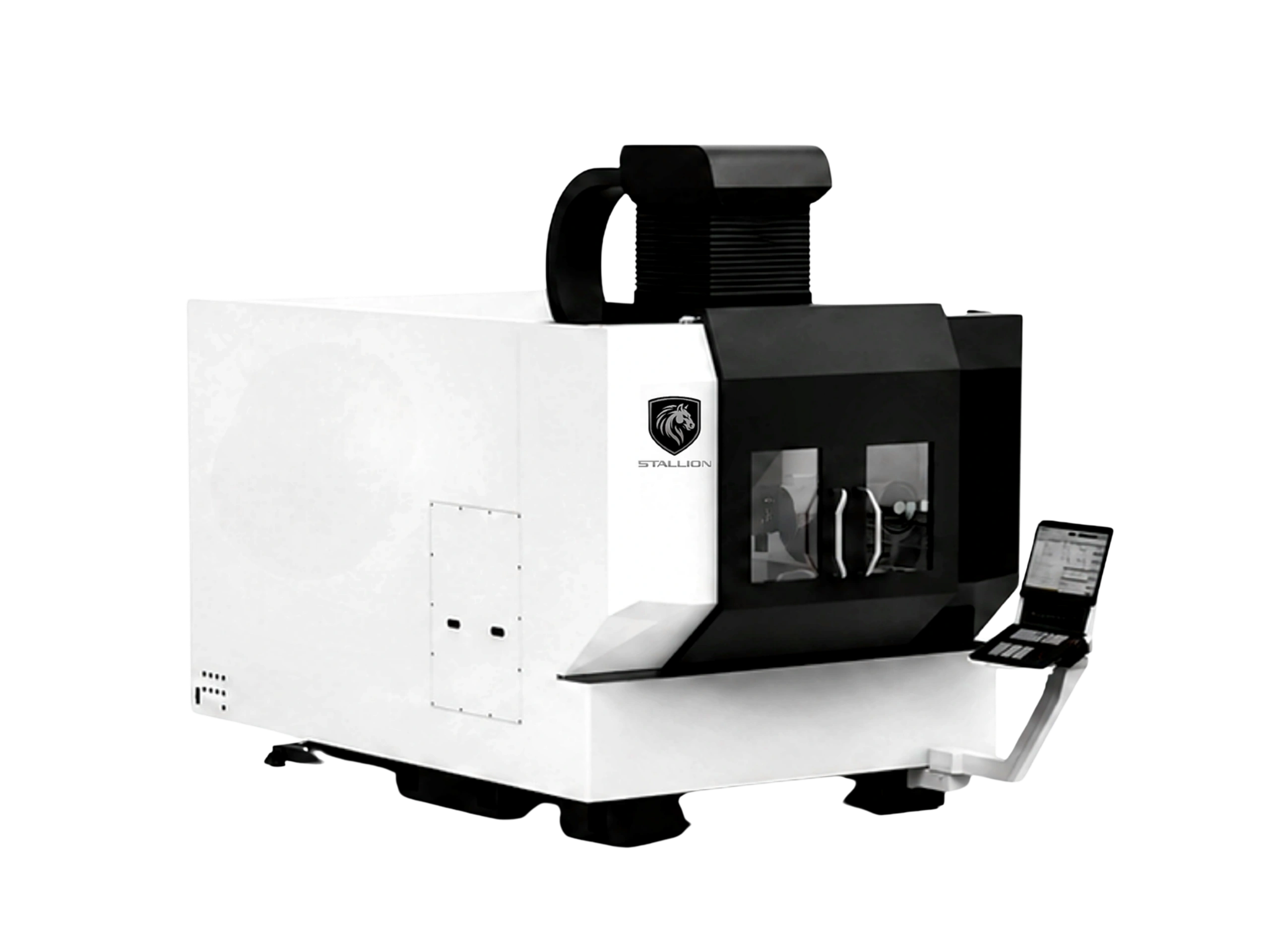
Technical Data
Full Specifications
All Five-Axis Models
| Specification | VTU-260 | MU-650 | VTU-400 | MU-800 |
|---|---|---|---|---|
| X / Y / Z Travel (mm) | 500 × 500 × 450 | 820 × 520 × 500 | 750 × 600 × 600 | 800 × 1100 × 600 |
| Rotary Axes | C 360° / A −30 to +110° | C 360° / B ±110° | C 360° / A +30 to −120° | C 360° / A ±120° |
| Max Spindle Speed (rpm) | 12,000 | 12,000 | 12,000 | 15,000 |
| Spindle Taper / Drive | BT-40 Direct | BT-40 Direct | BT-40 Direct | HSK A63 Electric |
| Main Motor Power (kW) | 7.5 / 11 | 11 / 15 | 11 / 18.5 | 30 / 46 |
| Rapid Traverse X / Y / Z (m/min) | 48 / 48 / 48 | 36 / 36 / 36 | 36 / 36 / 36 | 50 / 50 / 50 |
| Indexing Accuracy A(B) / C (sec) | 20 / 20 | 45 / 15 | 60 / 20 | 8 / 8 |
| CNC System | FANUC / Siemens | FANUC / Siemens | FANUC / Siemens | FANUC / Siemens |
Build & Equipment
Standard Features Optional Equipment
Standard Features
- Direct-drive or electric motorised spindle
- Simultaneous 5-axis CNC control
- Linear guideways on all axes
- BT-40 or HSK A63 spindle interface
- C-axis 360° rotation
- High thermal stability design
- FANUC or Siemens controller
Optional Equipment
- Tilting rotary table configurations
- High-pressure coolant-through spindle
- Workpiece probe + tool setter
- 30-tool ATC
- Linear scale feedback
- 5-axis trunnion table option
Applications
Typical Workpieces
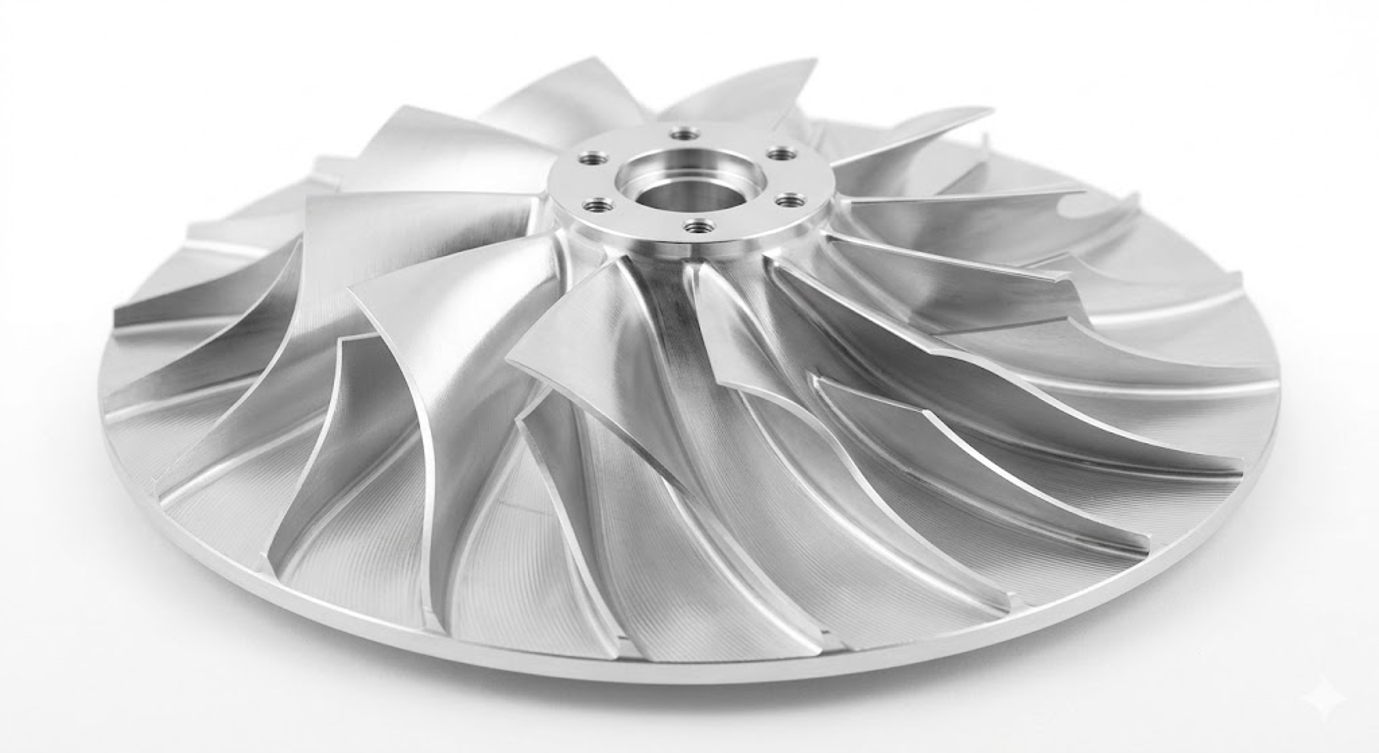
Impellers
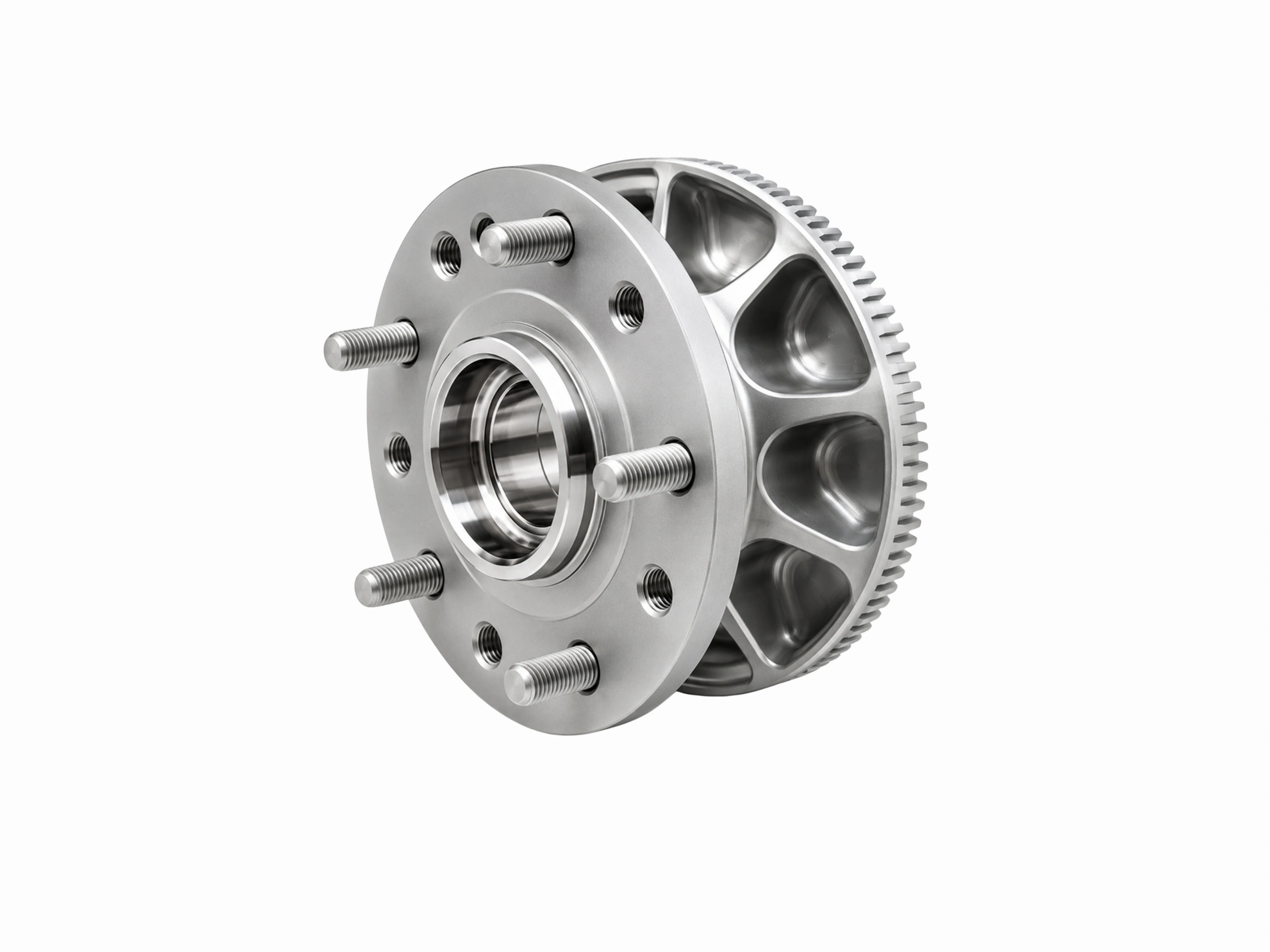
Wheel Hubs
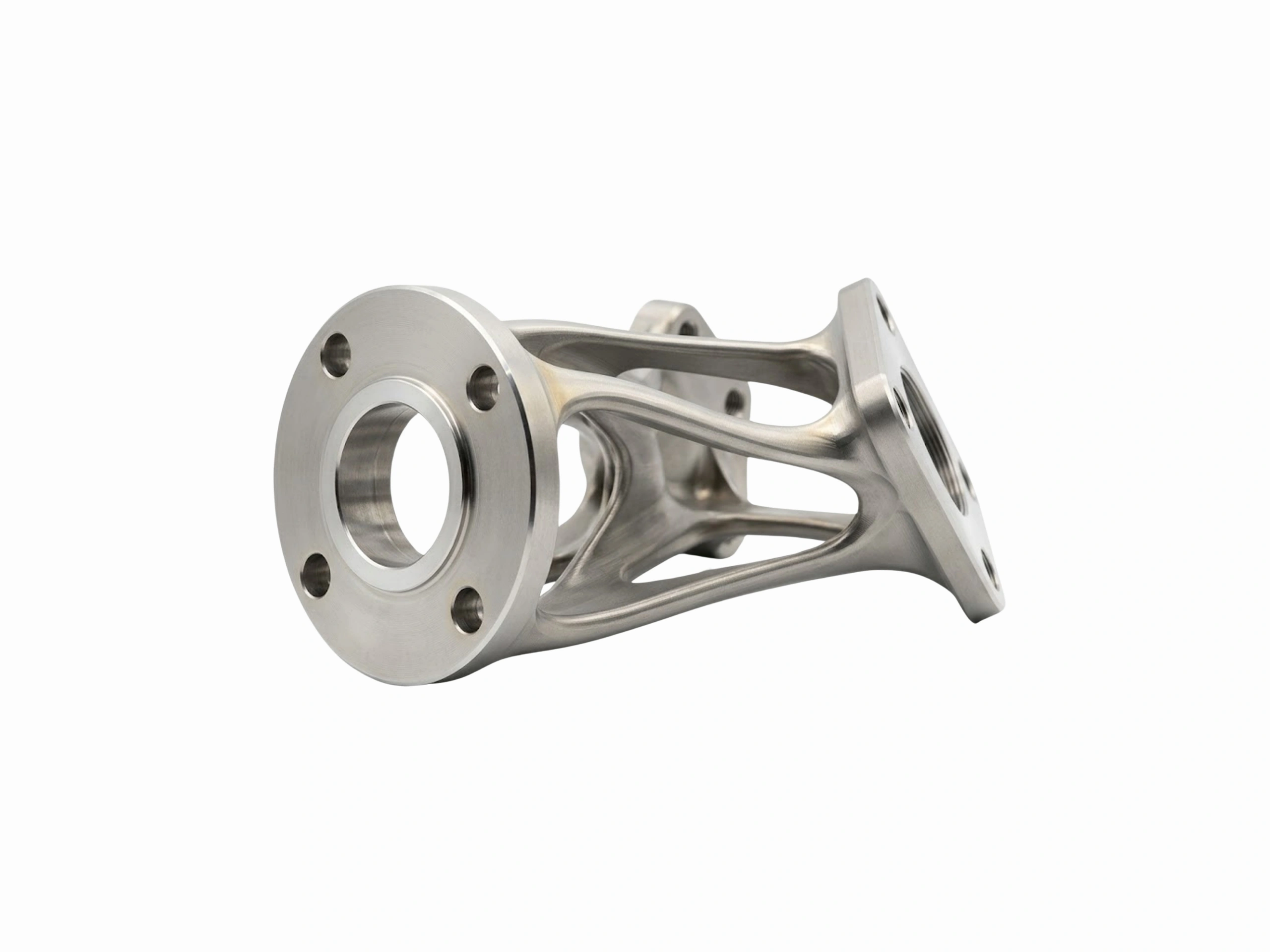
Aerospace Brackets
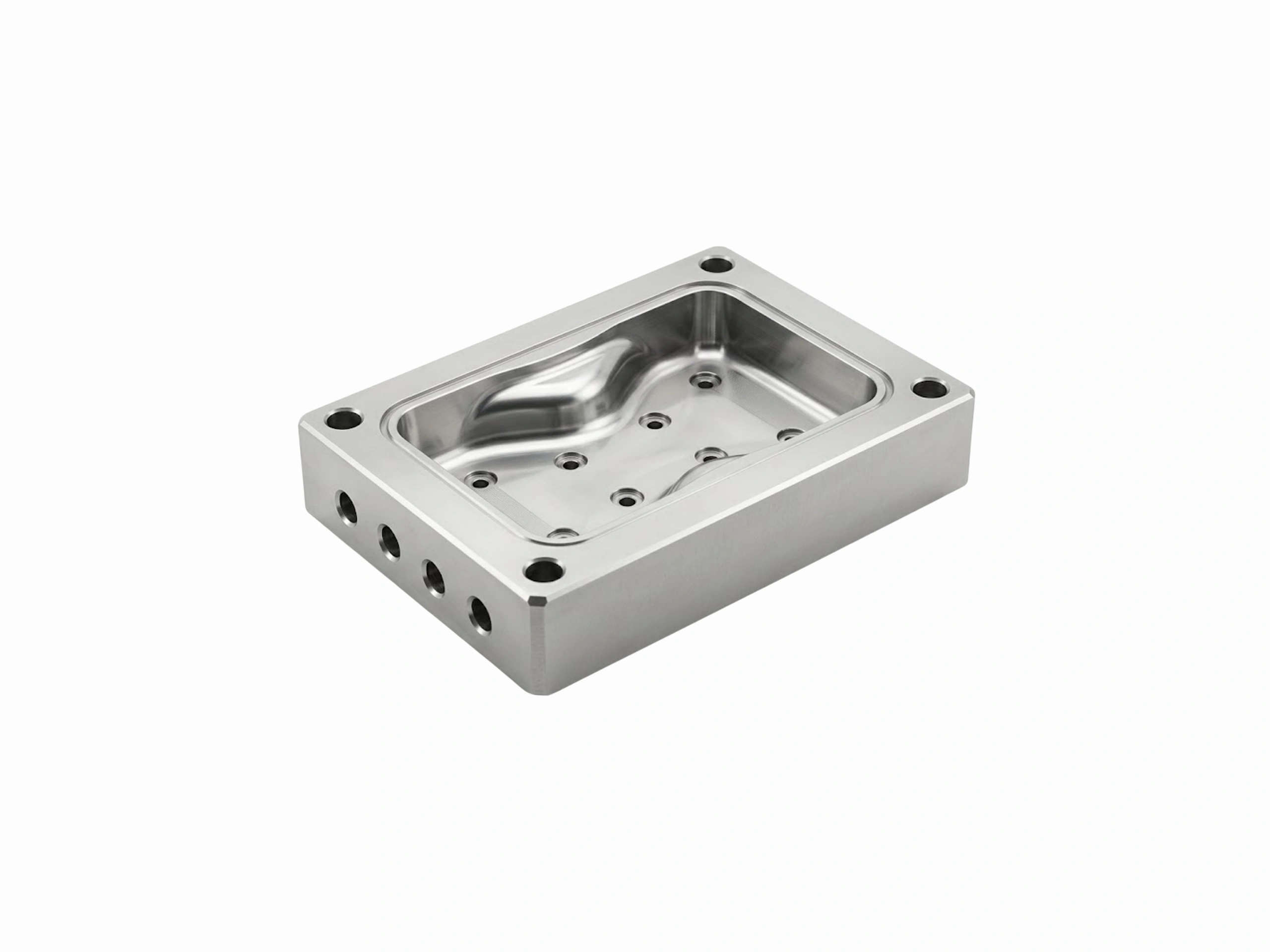
Mould Cavities
Answers
Frequently Asked Questions
What is a 5-axis CNC machining centre?
A 5-axis CNC machining centre is a milling platform with two rotary axes (typically A and C, or B and C) in addition to the three linear axes (X, Y, Z). The tool can approach the workpiece from virtually any orientation in a single setup — making it ideal
What is the difference between 3+2 axis and simultaneous 5-axis machining?
In 3+2 axis (also called positional or indexed 5-axis), the two rotary axes are positioned, locked, and then 3-axis machining is performed at that orientation. In simultaneous 5-axis, all five axes move at the same time during cutting — required for compl
Which industries benefit most from 5-axis machining?
Aerospace (turbine blades, structural brackets), automotive (cylinder heads, suspension parts), mould and die (complex cavities), medical (implants), marine (propellers), and any precision manufacturing of complex geometric components. 5-axis is preferred
What is the difference between BT-40 and HSK A63 spindles?
BT-40 is a steep-taper interface common across general machining. HSK A63 is a hollow-shank taper that engages both the taper and the face of the spindle simultaneously — providing higher rigidity, better repeatability, and superior performance at very hi
Why is the Stallion Five-Axis Series superior to competitor 5-axis machines?
The Stallion Five-Axis platform uses direct-drive or electric motorised spindles up to 15,000 rpm with rotary-axis indexing accuracy as fine as 8 arc-seconds — engineered for simultaneous five-axis machining of complex contoured and multi-face components.