At A Glance
Operations Performed
Full Specifications
FDR Series — Iron / Ductile Iron Castings
| Specification | FDR-1 | FDR-2 | FDR-3 | FDR-4 |
|---|---|---|---|---|
| Robot model | ABB IRB4400 | ABB IRB6620 | ABB IRB6640 | ABB IRB7600 |
| Max workpiece weight (kg) | 60 | 150 | 235 | 500 |
| Cell footprint L × W (m) | 4.5 × 3.5 | 5.5 × 4.0 | 6.5 × 4.5 | 8.0 × 5.5 |
| Cell height (m) | 3.2 | 3.5 | 3.8 | 4.2 |
| Tool stations | 4 | 6 | 8 | 8 |
| Spindle power (kW) | 7.5 | 11 | 15 | 18.5 |
| Dust extraction (m³/h) | 3,000 | 4,500 | 6,000 | 8,000 |
FMR Series — Aluminium Castings
| Specification | FDR-1 | FDR-2 | FDR-3 | FDR-4 |
|---|---|---|---|---|
| Robot model | ABB IRB2400 | ABB IRB4400 | ABB IRB6620 | ABB IRB6640 |
| Max workpiece weight (kg) | 16 | 60 | 150 | 235 |
| Cell footprint L × W (m) | 3.5 × 3.0 | 4.5 × 3.5 | 5.5 × 4.0 | 6.5 × 4.5 |
| Cell height (m) | 2.8 | 3.2 | 3.5 | 3.8 |
| Tool stations | 4 | 6 | 6 | 8 |
| Spindle power (kW) | 5.5 | 7.5 | 11 | 15 |
| Compliance head | Floating | Floating | Floating | Floating + force-sensor |
FGR Series — Steel & Stainless Castings
| Specification | FDR-1 | FDR-2 | FDR-3 |
|---|---|---|---|
| Robot model | ABB IRB6620 | ABB IRB6640 | ABB IRB7600 |
| Max workpiece weight (kg) | 150 | 235 | 500 |
| Cell footprint L × W (m) | 5.5 × 4.0 | 6.5 × 4.5 | 8.0× 5.5 |
| Tool stations | 6 | 8 | 8 |
| Spindle power (kW) | 15 | 18.5 | 22 |
| Cooling | Air + mist | Air + mist | Liquid + mist |
FTR Series — Pass-By / High-Volume Configurations
| Specification | FDR-1 | FDR-2 | FDR-3 |
|---|---|---|---|
| Robot model | ABB IRB1600 | ABB IRB2400 | ABB IRB4400 |
| Max workpiece weight (kg) | 7 | 16 | 60 |
| Cycle time (typical, sec) | 20–30 | 30–45 | 45–60 |
| Pass-by conveyor width (mm) | 400 | 600 | 800 |
| Tool stations | 4 | 4 | 6 |
| Spindle power (kW) | 3.7 | 5.5 | 7.5 |
Standard Features Optional Equipment
Standard Features
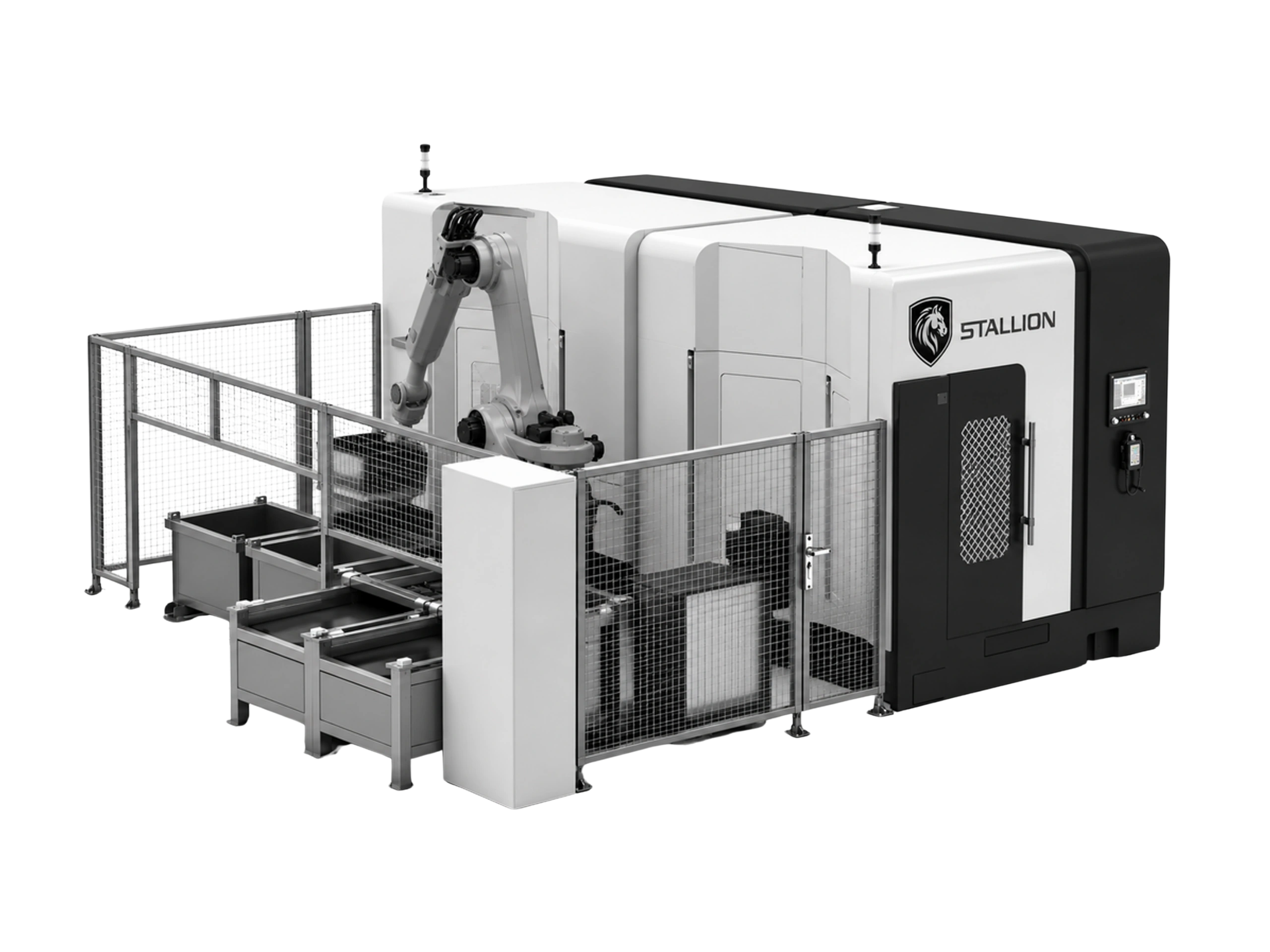
- ABB 6-axis industrial robot (model sized to part envelope)
- Sealed cabin with safety interlocks and light curtain
- Automatic tool changer with 4–8 tool stations
- Floating-pressure compliance head (compensates casting variation)
- Centralised dust extraction (3,000–8,000 m³/h)
- Pneumatic & hydraulic clamping fixtures
- Touch-screen HMI with program library (≥500 programs)
- Japan OMRON PLC + Japan NSK precision bearings on tool stations
- Japan OMRON PLC + Japan NSK precision bearings on tool stations
Optional Equipment
- Force-sensor compliance head (closed-loop force feedback)
- Force-sensor compliance head (closed-loop force feedback)
- Liquid coolant + mist suppression (FGR steel variant)
- Stainless steel cell (corrosive environments)
- AGV-fed loading / unloading conveyor
- Profile-projector inspection station post-deburr
- Pass-by tunnel extension for inline production
- Spare-tool rapid-change cassette (reduces changeover from minutes to seconds)
Typical Workpieces
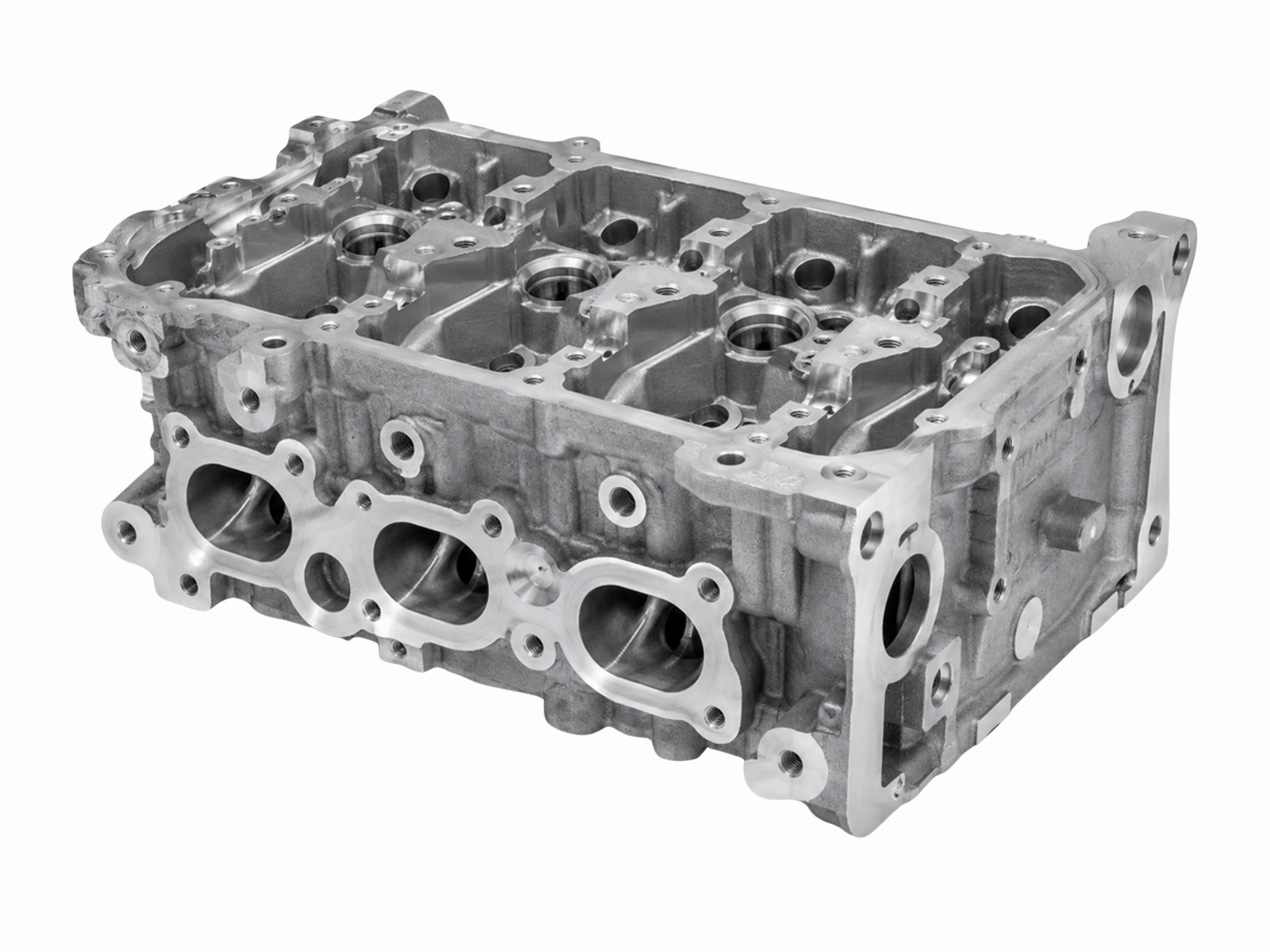
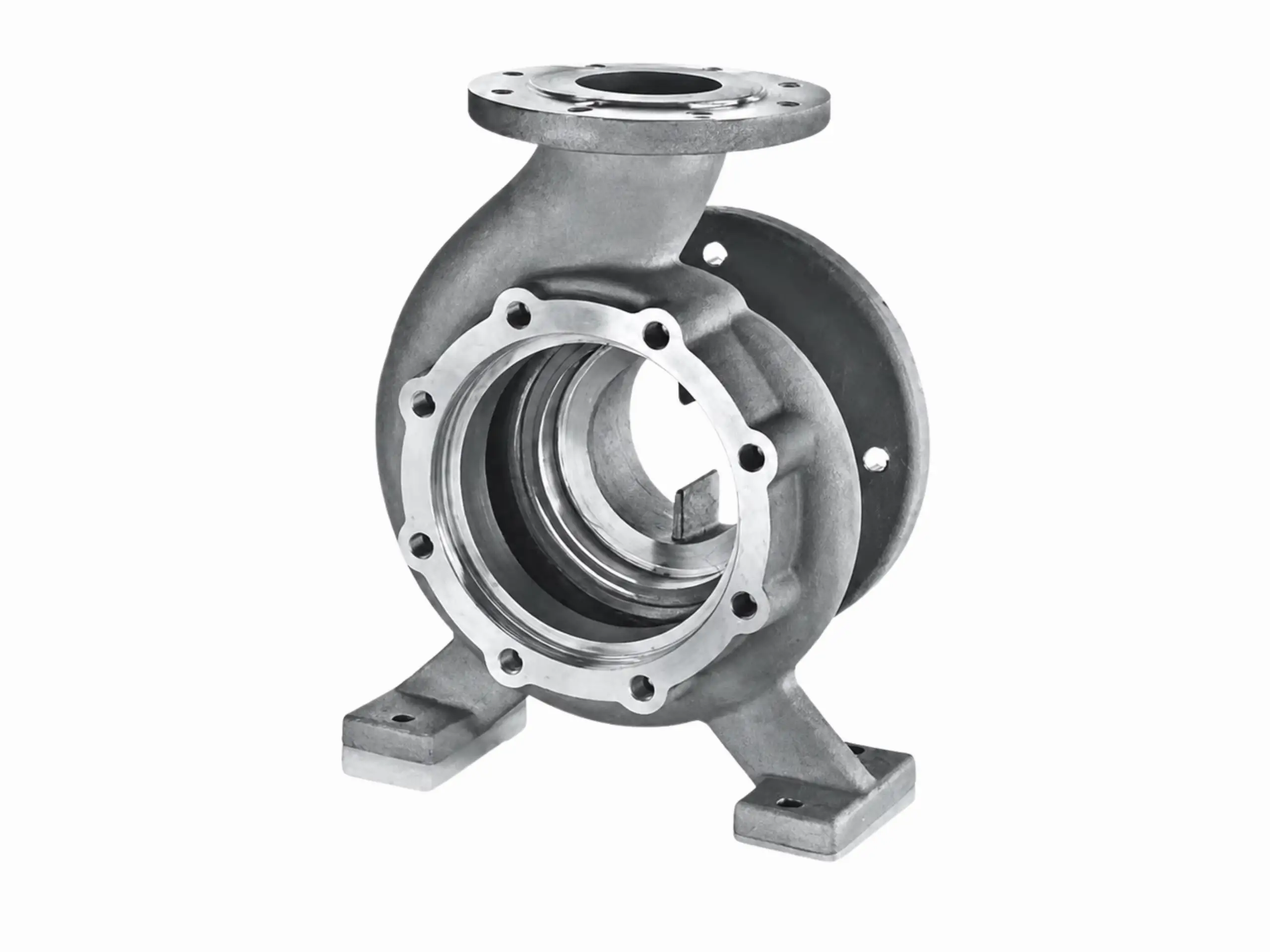
Frequently Asked Questions
What is robotic fettling and where does it fit in a foundry?
Robotic fettling uses a 6-axis industrial robot inside a sealed cell to perform post-cast finishing operations — gate and riser removal, parting-line deflashing, surface deburring, and basic grinding — that historically required manual labour with hand grinders. It sits between the casting machine and the inspection or machining stage, replacing a high-risk manual operation with a programmable, repeatable cell.
Which series should I pick for my foundry?
Match by alloy and part weight. FDR for iron and ductile iron (up to 500 kg). FMR for aluminium (up to 235 kg). FGR for steel and stainless (up to 500 kg, with liquid cooling option). FTR for high-volume pass-by configurations where parts move through the cell on a conveyor rather than being clamped. Our engineering team will scope the right model to your part envelope and cycle target.
How does the floating-pressure compliance head handle casting variation?
Raw castings have geometric variation from one part to the next — the parting line, gate stubs, and runner remnants are never identical. The floating-pressure head mounts the grinding tool on a spring-loaded compliance mechanism that maintains a constant contact pressure as the tool tracks the surface, so the robot's programmed path can be slightly off and the finished surface is still uniform. A force-sensor head is available where closed-loop control is required.
How long does it take to switch between part families?
Programs are stored on the cell controller (≥500 program library). Calling up a new program is instantaneous. Physical fixture changeover takes 1–3 minutes with the standard pneumatic clamps; an optional rapid-change cassette brings tool changeover from minutes down to seconds.
Why is the Stallion Robotic Fettling cell superior to competitor offerings?
The cell is built on a proven ABB 6-axis robot platform — selected for the model range that matches Indian foundry part envelopes — with internationally proven motion components (Japan NSK bearings, OMRON PLC) and an engineered cell enclosure designed for 24-hour operation in dusty foundry environments. The four-series matrix (FDR / FMR / FGR / FTR) means we configure the cell to the alloy and production model rather than forcing a one-size-fits-all design onto every customer.