Full Specifications
Engineered To Your Application
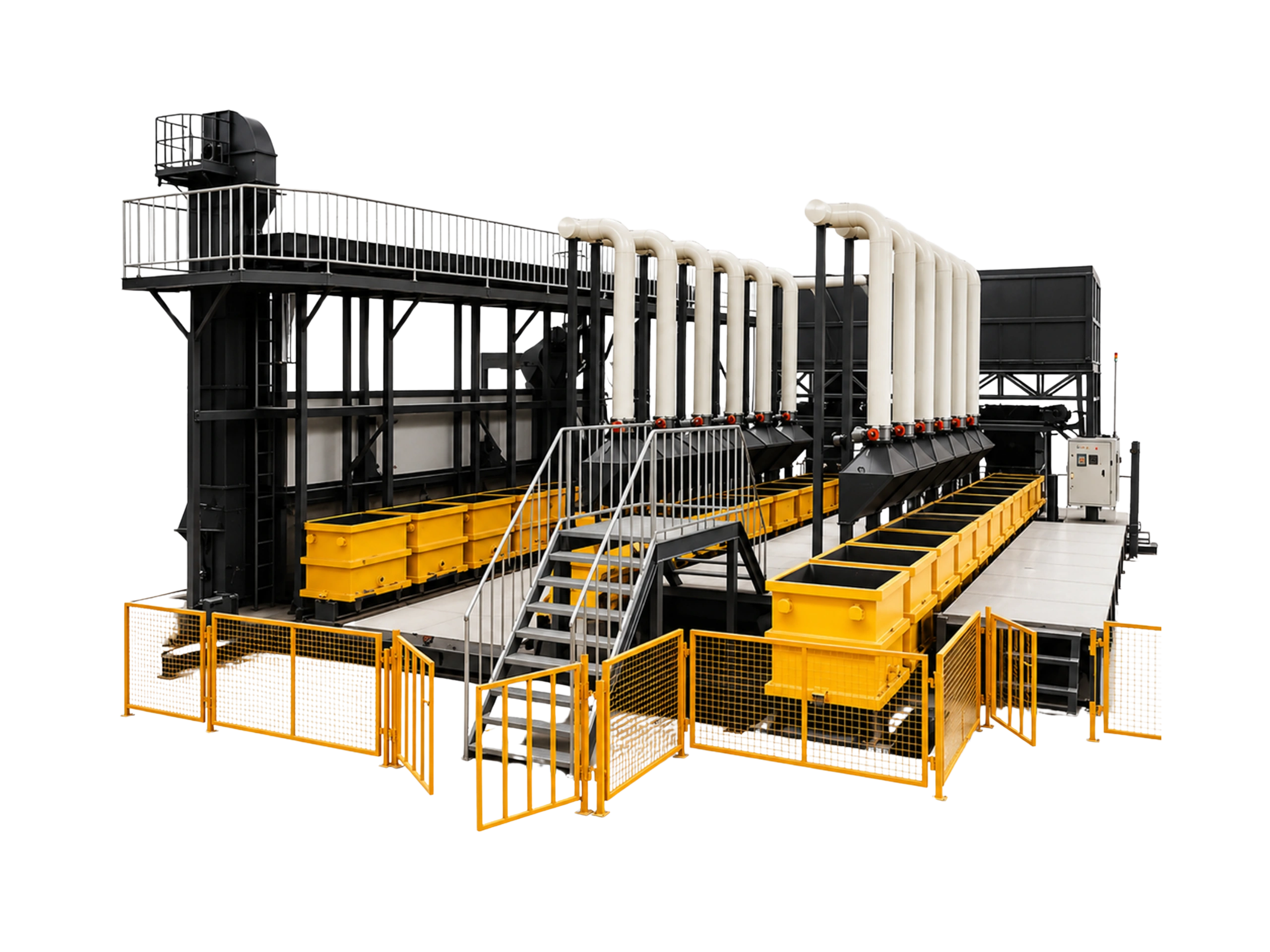
Lost Foam Casting lines are not catalogue products — they are engineered installations. Pattern geometry, alloy (grey iron, ductile iron, aluminium, steel), production volume, and available floor space all change the line architecture significantly. A single EPS pattern press feeding a small flask line behaves very differently from a multi-cavity automated assembly cell feeding a high-cadence pouring carousel.
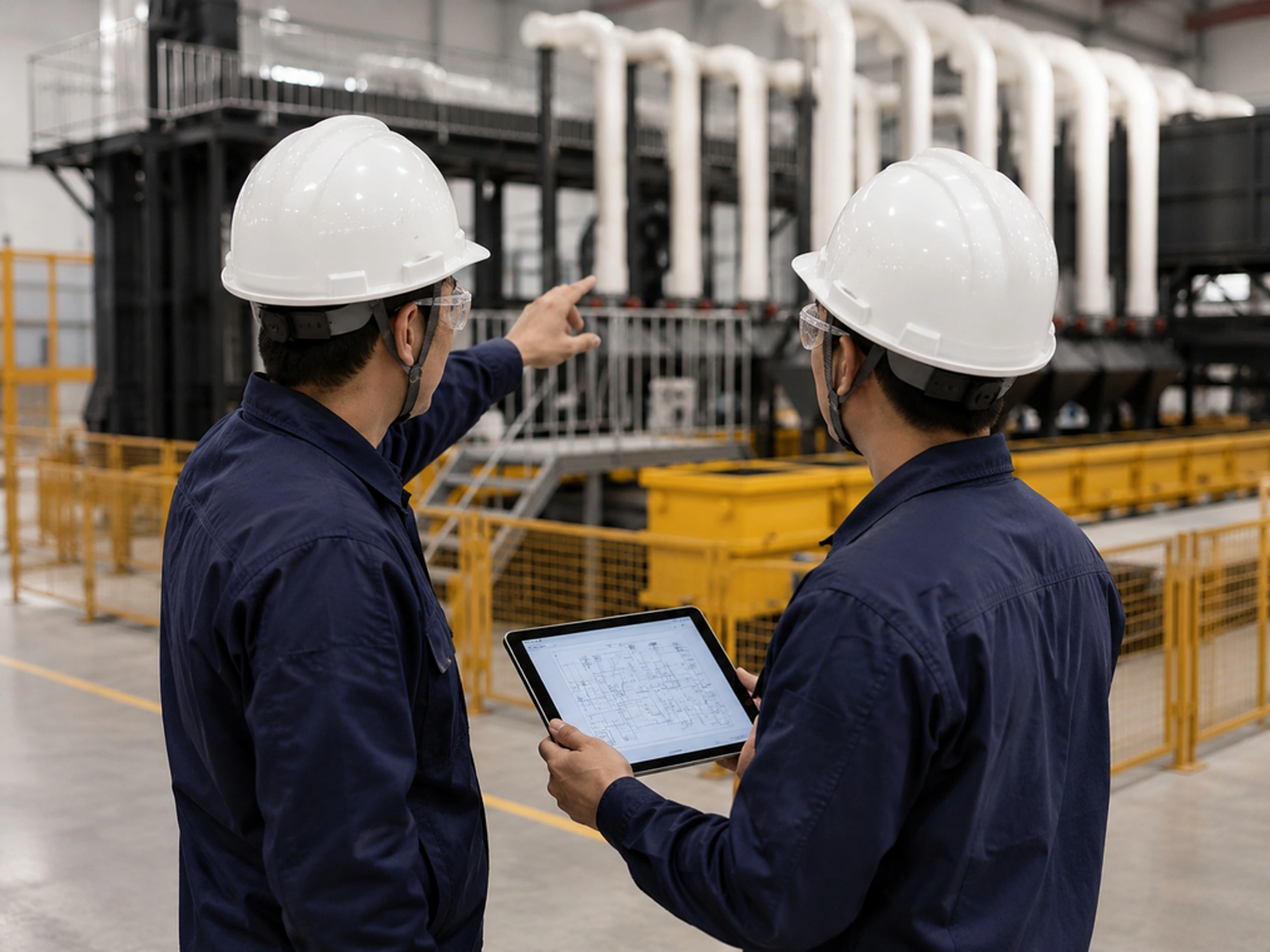
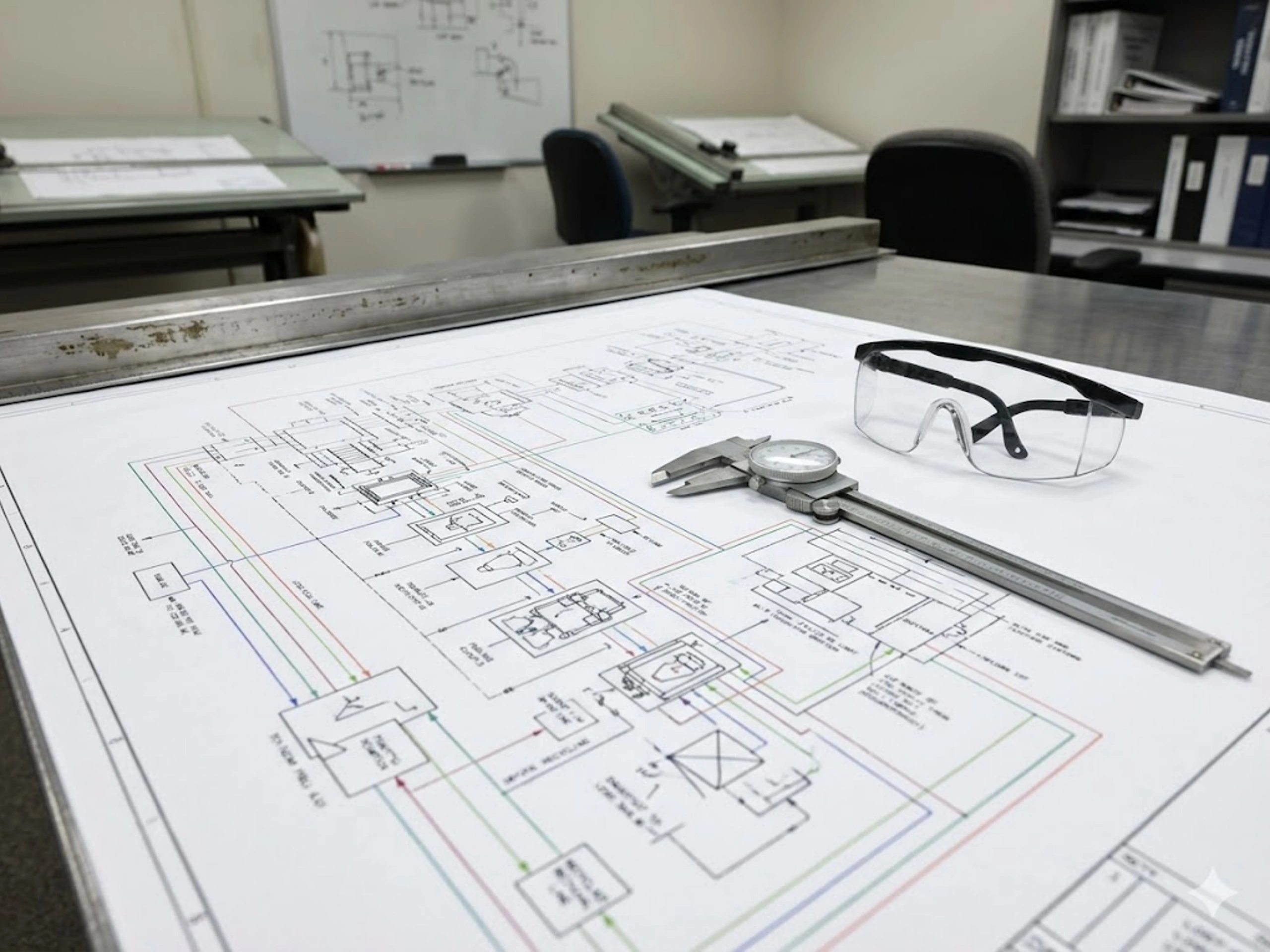
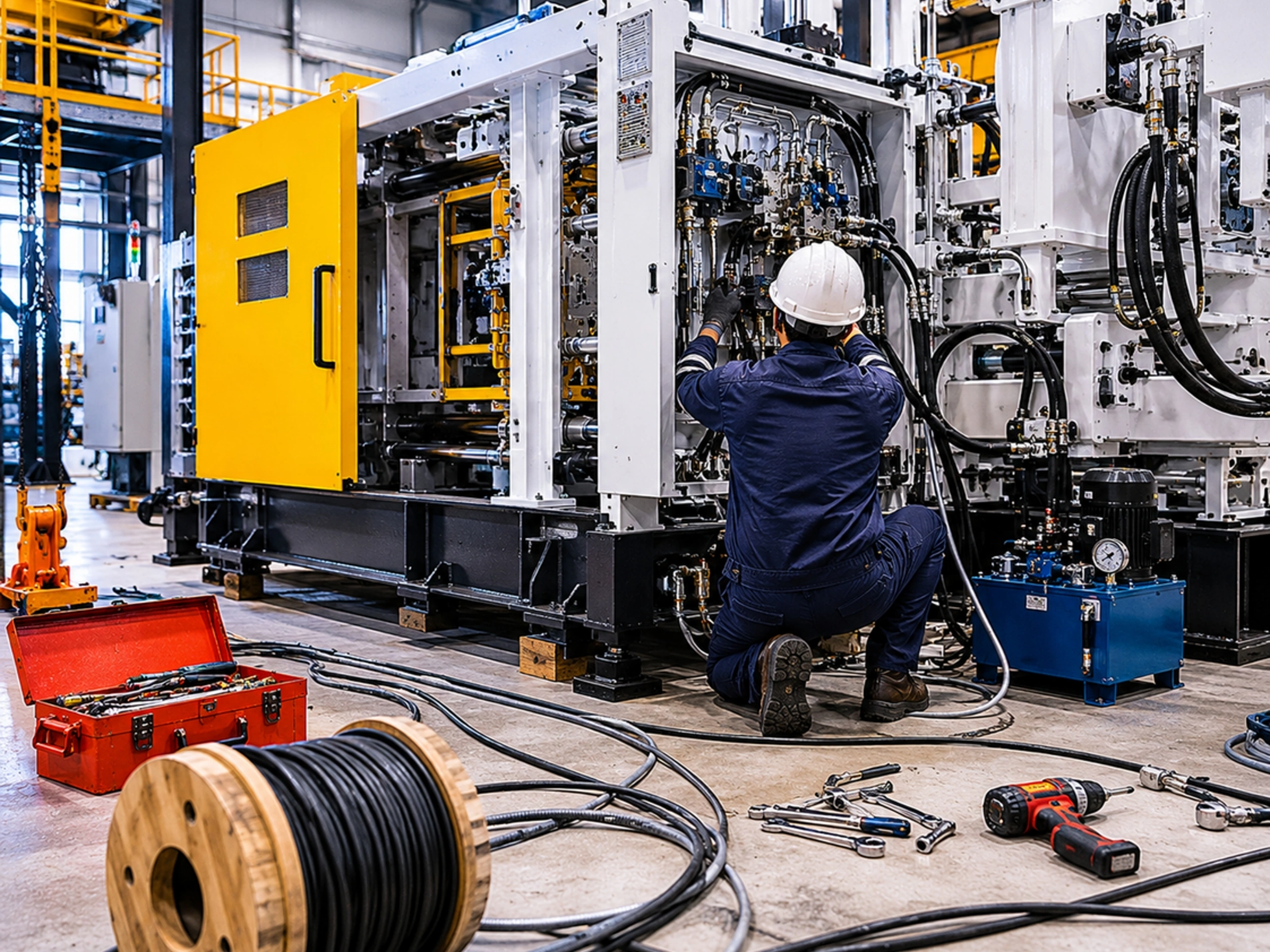
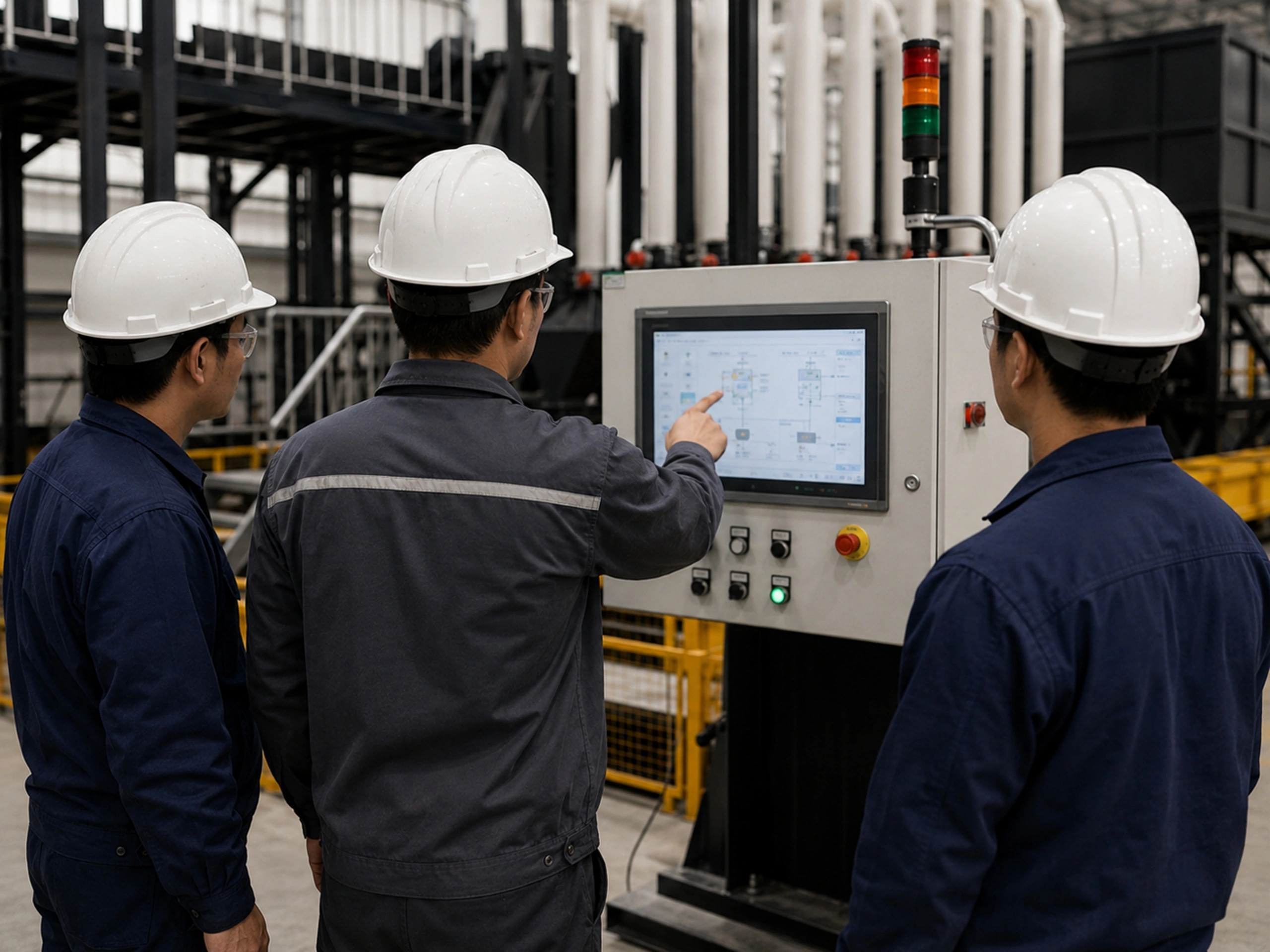
Stallion's foundry engineering team scopes the full line in three phases. First, a process audit — alloy, part envelope, annual volume, scrap targets, available utilities and labour. Second, a line architecture proposal — equipment matrix, cycle-time model, floor layout, utility loads, and capital plan. Third, build-out — sourcing of engineered subsystems (EPS press, dipping tanks, vibration tables, pouring units, sand handling) with international components for sustained accuracy, factory acceptance testing, on-site commissioning, and operator training.
Talk to our engineering team to scope your Lost Foam line. We will respond with a process-audit questionnaire and arrange a site visit if needed.
How We Work With You
Frequently Asked Questions
What is Lost Foam Casting and when is it the right choice?
Lost Foam Casting uses an EPS foam pattern that vaporises when molten metal is poured into surrounding unbonded sand — the metal exactly replicates the pattern's geometry. It excels for complex, undercut, or hollow shapes that would otherwise need multiple cores in conventional sand moulding. Best suited to medium-to-high-volume parts where the per-part EPS cost is offset by elimination of cores, parting lines, flash, and most subsequent machining.
Why is the Lost Foam line not a catalogue product?
The pattern press tooling is unique to each casting. The coating and drying capacity depends on pattern surface area. Flask size depends on part envelope and cluster density. Sand handling capacity depends on flask volume and cycle time. Pouring station design depends on alloy and melt-rate. Every one of these is part-dependent, so we engineer the line as a single integrated installation rather than selling individual machines off a shelf.
What information do you need from us to start scoping?
A sample part drawing or 3D model, target annual production volume, alloy and melt source, available floor space (length × width × headroom), and existing sand handling and pouring infrastructure if any. Our engineering team will then issue a structured process-audit questionnaire and book a site visit if needed before producing a line proposal.