At A Glance
Operations Performed
Full Specifications
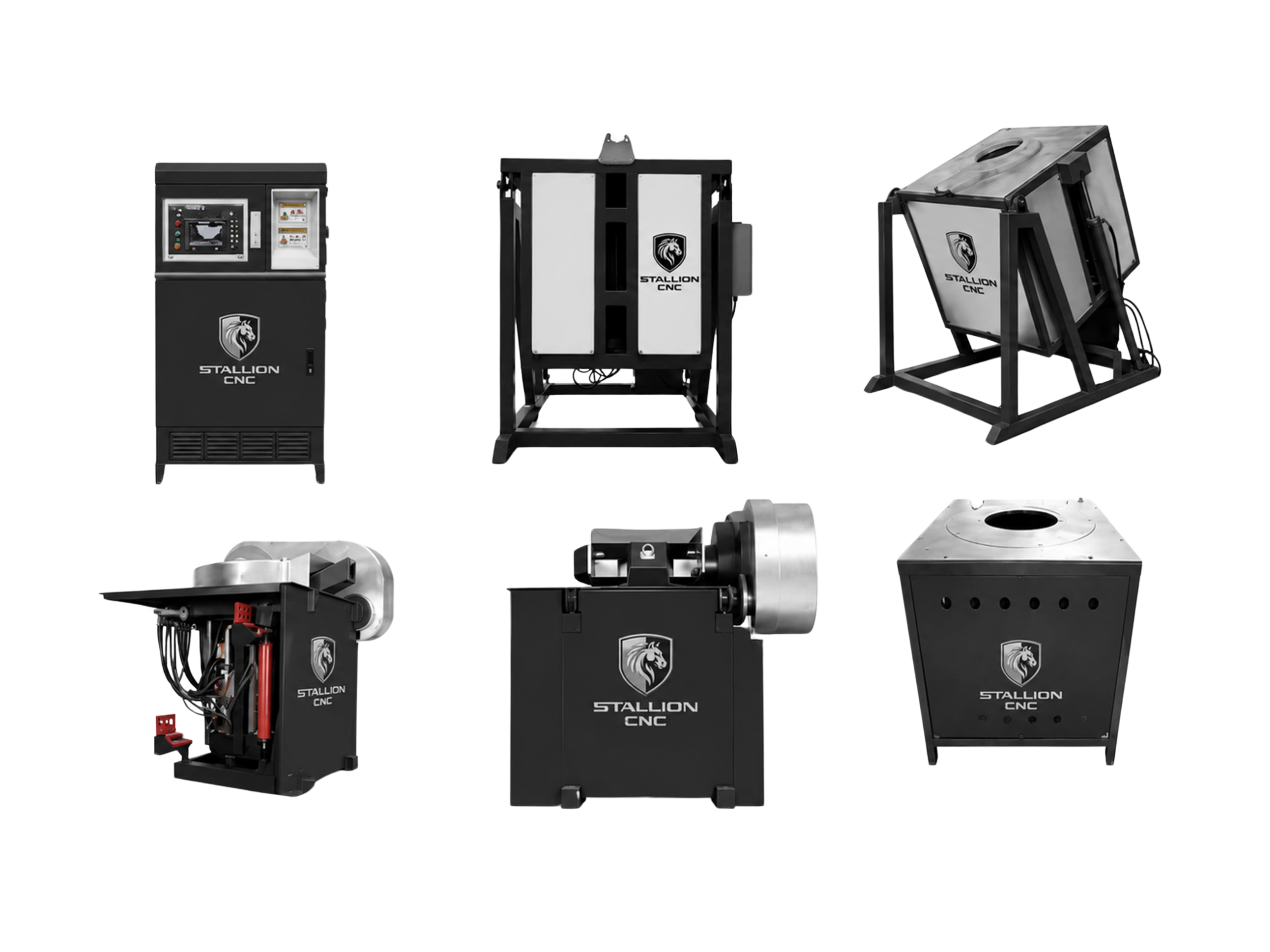
Medium-Frequency Induction Furnace — Iron / Steel / Stainless / Copper
| Specification | 100 kW | 250 kW | 400 kW | 650 kW | 800 kW | 1200 kW | 1500 kW | 2000 kW |
|---|---|---|---|---|---|---|---|---|
| Mains voltage | 3 × 380 V | 3 × 380 V | 3 × 380 V | 3 × 380 V | 3 × 660 V | 3 × 660 V | 3 × 660 V | 3 × 950 V |
| MF voltage (V) | 750 | 750 | 750 | 750 | 1,200 | 1,200 | 1,700 | 1,700 |
| Frequency (Hz) | 2,500 | 1,500 | 1,000 | 1,000 | 800 | 800 | 500 | 500 |
| Cabinet size (mm) | 1000 × 800 × 1700 | 1000 × 800 × 1700 | 1400 × 850 × 2000 | 1400 × 850 × 2000 | 1400 × 850 × 2000 | 1400 × 850 × 2000 | 2300 × 1300 × 2000 | 2300 × 1300 × 2000 |
| Furnace body size (mm) | 1250 × 800 × 900 | 1450 × 1050 × 1250 | 1850 × 1250 × 1300 | 1860 × 1320 × 1450 | 1870 × 1420 × 1550 | 2150 × 1600 × 1500 | 2400 × 1610 × 1700 | 2650 × 1950 × 1800 |
| Associated transformer (kVA) | 125 | 315 | 500 | 800 | 1,000 | 1,250 | 1,600 | 2,500 |
| Melt cycle time (min/furnace) | 40 – 60 | 40 – 60 | 40 – 60 | 40 – 60 | 40 – 60 | 40 – 60 | 40 – 60 | 40 – 60 |
| Melt points handled (°C) | Steel 1515 · Iron 1535 · Stainless 1510 · Copper 1083 | Steel 1515 · Iron 1535 · Stainless 1510 · Copper 1083 | Steel 1515 · Iron 1535 · Stainless 1510 · Copper 1083 | Steel 1515 · Iron 1535 · Stainless 1510 · Copper 1083 | Steel 1515 · Iron 1535 · Stainless 1510 · Copper 1083 | Steel 1515 · Iron 1535 · Stainless 1510 · Copper 1083 | Steel 1515 · Iron 1535 · Stainless 1510 · Copper 1083 | Steel 1515 · Iron 1535 · Stainless 1510 · Copper 1083 |
Regenerative Gas Aluminium Melting Furnace
| Specification | 2 T (small) | 5 T | 15 T | 30 T | 60 T | 100 T |
|---|---|---|---|---|---|---|
| Loading capacity (T) | 2 | 5 | 15 | 30 | 60 | 100 |
| Melt rate (t/hr) | 3 | 4 – 5 | 6 – 7 | 8 – 9 | 10 – 11 | 12 |
| Furnace geometry | Tilting / Fixed | Tilting / Fixed | Tilting / Fixed | Tilting / Fixed | Tilting / Fixed | Tilting / Fixed |
| Fuel options | Natural gas / LPG | Natural gas / LPG | Natural gas / LPG / Heavy oil | Natural gas / LPG / Heavy oil / Diesel | Natural gas / LPG / Heavy oil / Diesel | Natural gas / LPG / Heavy oil / Diesel |
| Frame construction | Section steel, ≥8 mm plate | Section steel, ≥8 mm plate | Section steel, ≥8 mm plate | Section steel, ≥8 mm plate | Section steel, ≥8 mm plate | Section steel, ≥8 mm plate |
| Door / opening seal | Spring + soft-edge | Spring + soft-edge | Spring + soft-edge | Spring + soft-edge | Spring + soft-edge | Spring + soft-edge |
| Combustion control | PLC regenerative | PLC regenerative | PLC regenerative | PLC regenerative | PLC regenerative | PLC regenerative |
| Automation | Auto-ignition · combustion · reversing · temp · self-diagnosis · flameout protection | (same) | (same) | (same) | (same) | (same) |
Zinc-Aluminium Automated Ingot Casting Line
| Specification | Single-Lane | Twin-Lane | Robot-Stacked |
|---|---|---|---|
| Casting throughput | ~1.5 t/hr finished ingots | ~3 t/hr | ~3 t/hr + auto-stack |
| Ingot drop technology | Automatic | Automatic | Automatic |
| Metal scraping | Automatic | Automatic | Automatic |
| Stacking | Manual | Manual / semi-auto | 6-axis robot arm |
| 6-axis robot arm | 2 | 2 – 3 | 1 – 2 (supervisory) |
| Conveyor type | Belt + cooling channel | Belt + water-spray cooling | Belt + water-spray + auto-stack |
Standard Features Optional Equipment
Standard Features
- PLC regenerative combustion automatic control with safety alarm
- Self-test detection — water temperature, pressure, overcurrent, overvoltage, phase loss
- Furnace leakage alarm + integrated melting management system
- Modular electrical cabinet with automotive-grade wiring
- Carbon-free water hoses; manifolds & clamps in 304 stainless steel
- Section steel frame with ≥8 mm steel plate welded body (gas furnaces)
- Continuous 24-hour operation capability
- Cast aluminium alloy body with reducer tilting (induction furnaces under 5 T)
- Steel shell with hydraulic tilting and magnetic-yoke shielding (induction furnaces over 1 T)
- Spring-loaded compression door + soft-edge sealing devices (gas furnaces)
Optional Equipment
- 6-axis robotic arm for fully automatic ingot stacking
- Automatic metal scraping technology (replaces manual scraping)
- Quantitative pouring control with weight feedback
- Photoelectric inspection of cast ingots (rejection station)
- Integrated downstream conveyor handoff to packaging
- Atomic absorption spectrometer for in-line alloy composition verification
- Multi-fuel switching system (gas / oil / dual-fuel)
- Heat recovery for combustion air pre-heating (regenerative)
- Water cooling tower with reservoir & heat exchanger
- Thyristor power supply upgrade for harmonic compliance
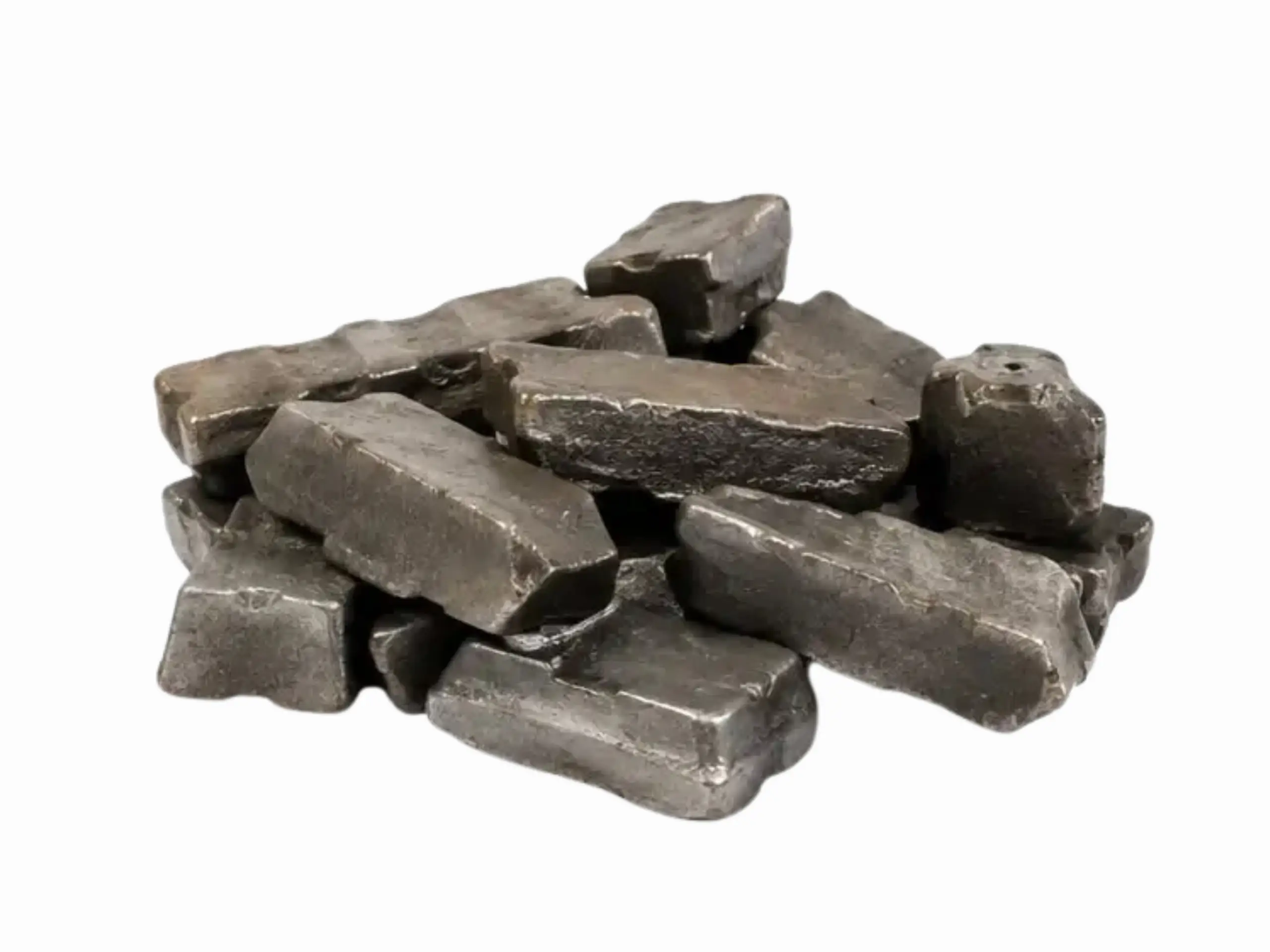
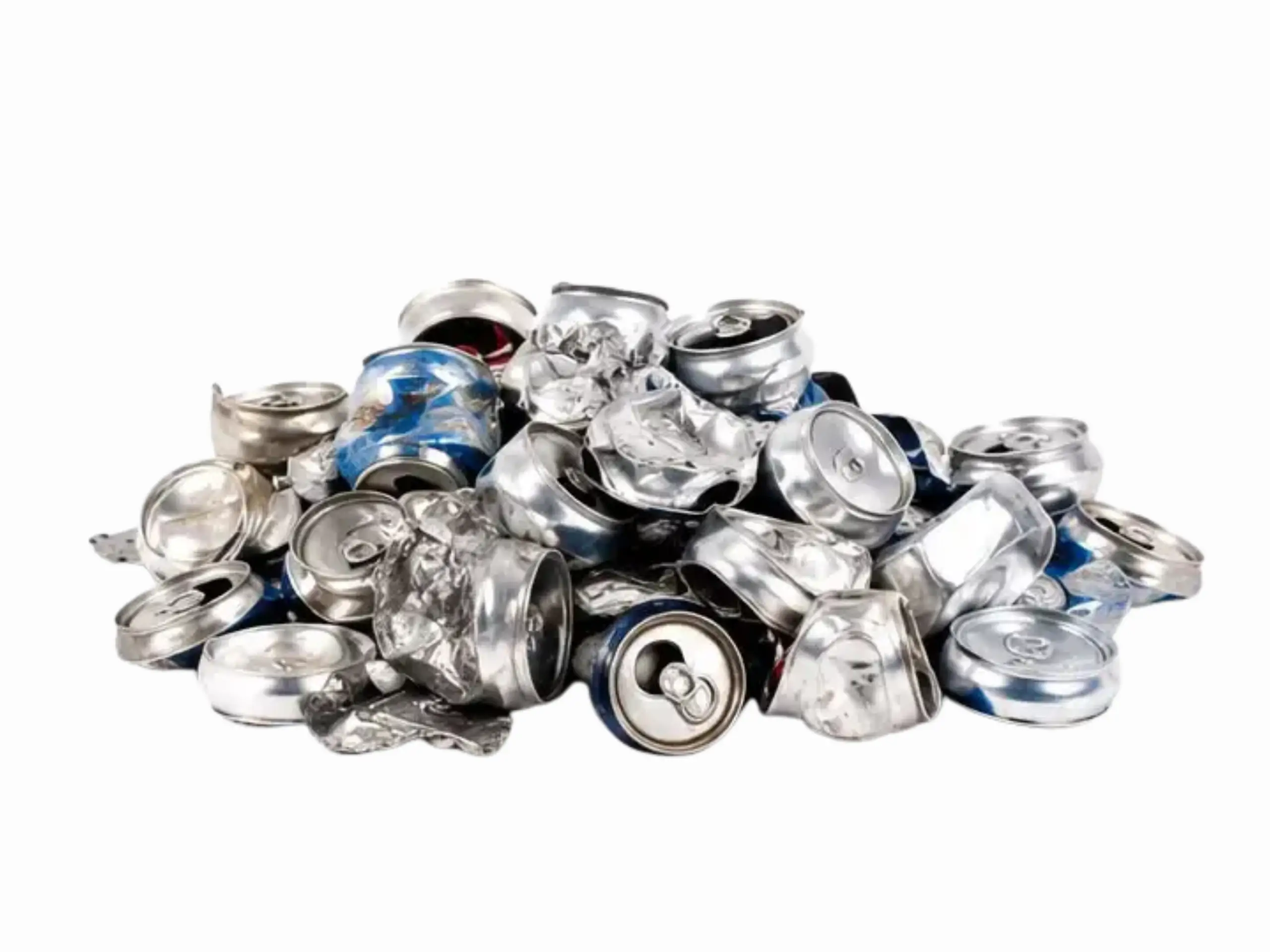
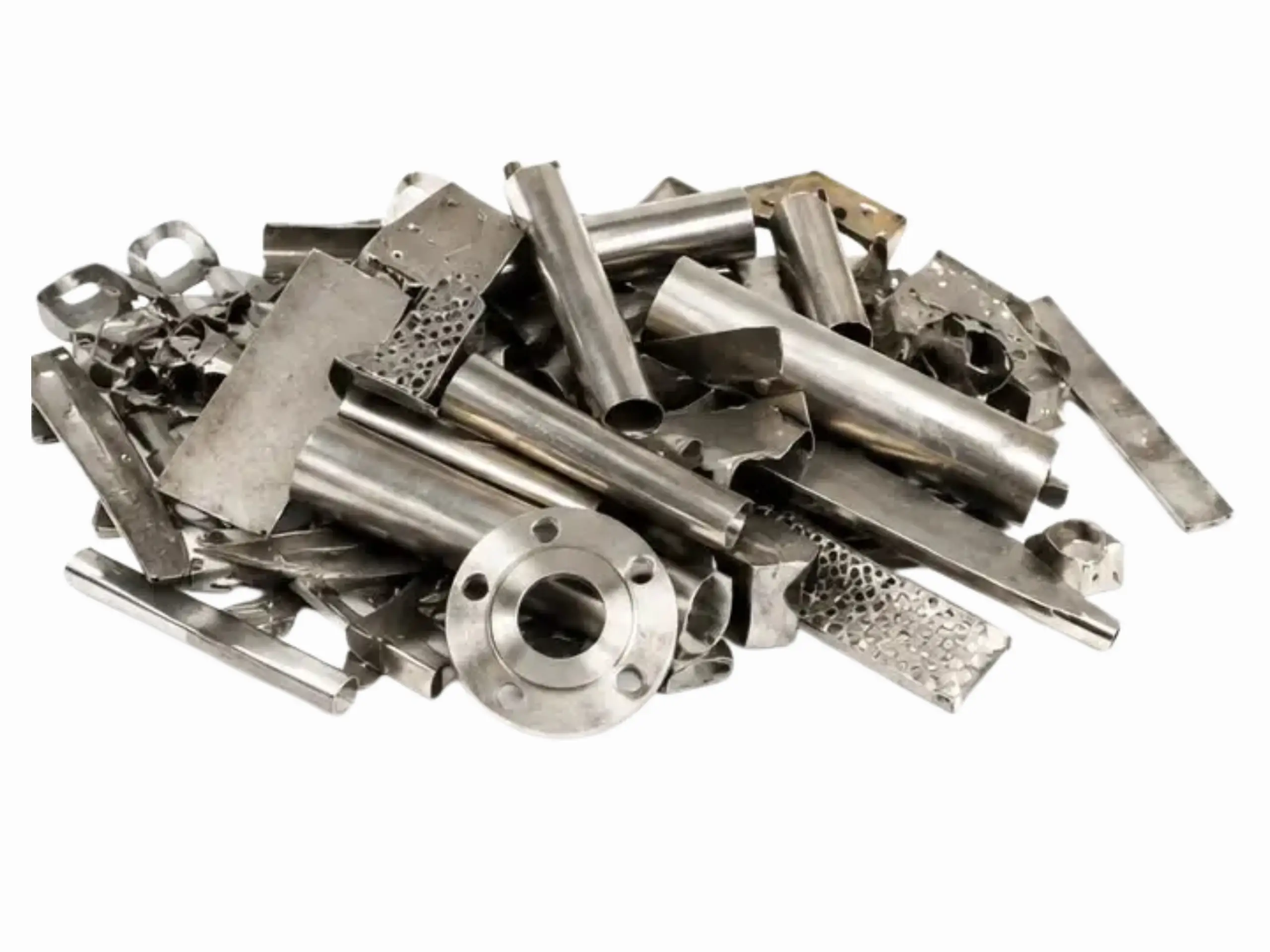
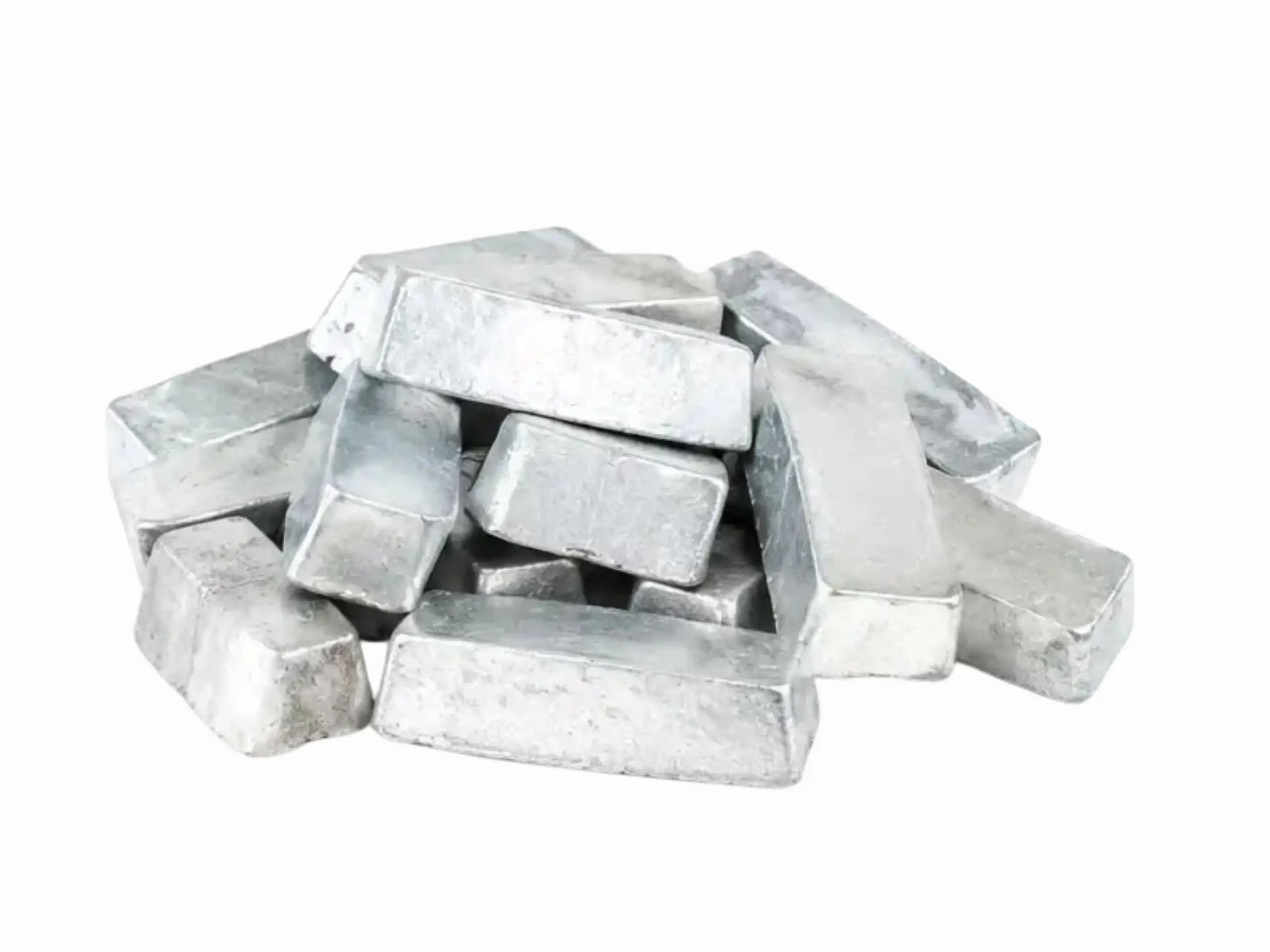
Typical Workpieces
Frequently Asked Questions
What is the difference between induction melting and gas-fired melting?
Medium-frequency induction uses an electromagnetic field to directly heat the metal charge — extremely efficient, rapid (40–60 minutes per cycle), clean, and works for any metal that can be inductively coupled (iron, steel, stainless, copper). Gas-fired regenerative melting uses combustion flame to melt aluminium in a holding bath — best for high-volume continuous melt (up to 12 t/hr), supports very large loading capacities (up to 100 tonnes), and uses the regenerative heat recovery cycle to push thermal efficiency well above conventional gas furnaces.
Which induction furnace size matches my output target?
Match the kW rating to the melt rate you need. Roughly: 100 kW handles 0.1–0.6 T per cycle (good for small foundries and labs); 250–650 kW for medium foundries running 0.7–1.0 T per cycle; 800–1200 kW for ~1.2 T cycles at higher cadence; 1500–2000 kW for 1.6–2.5 T per cycle in high-volume iron foundries. All models hold the 40–60 minute melt time — the larger units just melt more metal per cycle.
How does the regenerative combustion system save energy?
A conventional aluminium melting furnace exhausts hot flue gas at 800–1000°C — energy lost to the atmosphere. The regenerative system passes exhaust through a ceramic heat-storage bed, then reverses the flow so incoming combustion air is pre-heated by the stored heat. The combustion bed alternates every few seconds. Net result: 30–50% lower fuel consumption than non-regenerative gas furnaces for the same melt rate.
Can the same induction furnace melt iron and stainless steel?
Yes — the furnace handles steel (1515°C), iron (1535°C), stainless steel (1510°C) and copper (1083°C) on a single platform, with operator-selected power and frequency profiles. Refractory lining is chosen to match the dominant alloy mix; for foundries running mixed alloys, a neutral magnesia-spinel lining provides the broadest service range.
Why is the Stallion melting platform superior to competitor offerings?
The induction furnace range covers 100 kW to 2000 kW on a unified MF-induction control architecture with consistent safety alarm logic, self-diagnostics and 24-hour service rating. The regenerative gas aluminium furnace integrates PLC combustion control with multi-fuel capability and a sealed door system that minimises heat loss. Electrical hardware uses automotive-grade modular wiring throughout, with 304 stainless manifolds and carbon-free water hoses for long-life service in foundry conditions. Critical components — PLC, sensors, hydraulic valves — are built around internationally proven names for sustained accuracy and parts availability.